Understanding Hurricane Forecasts and Warnings
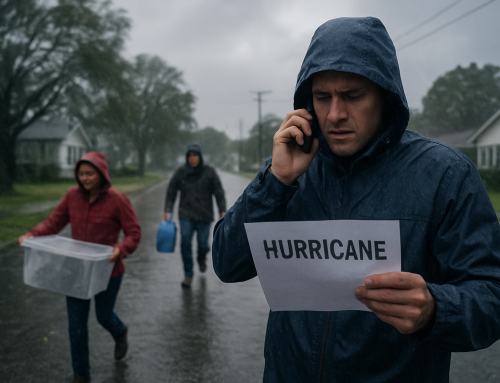
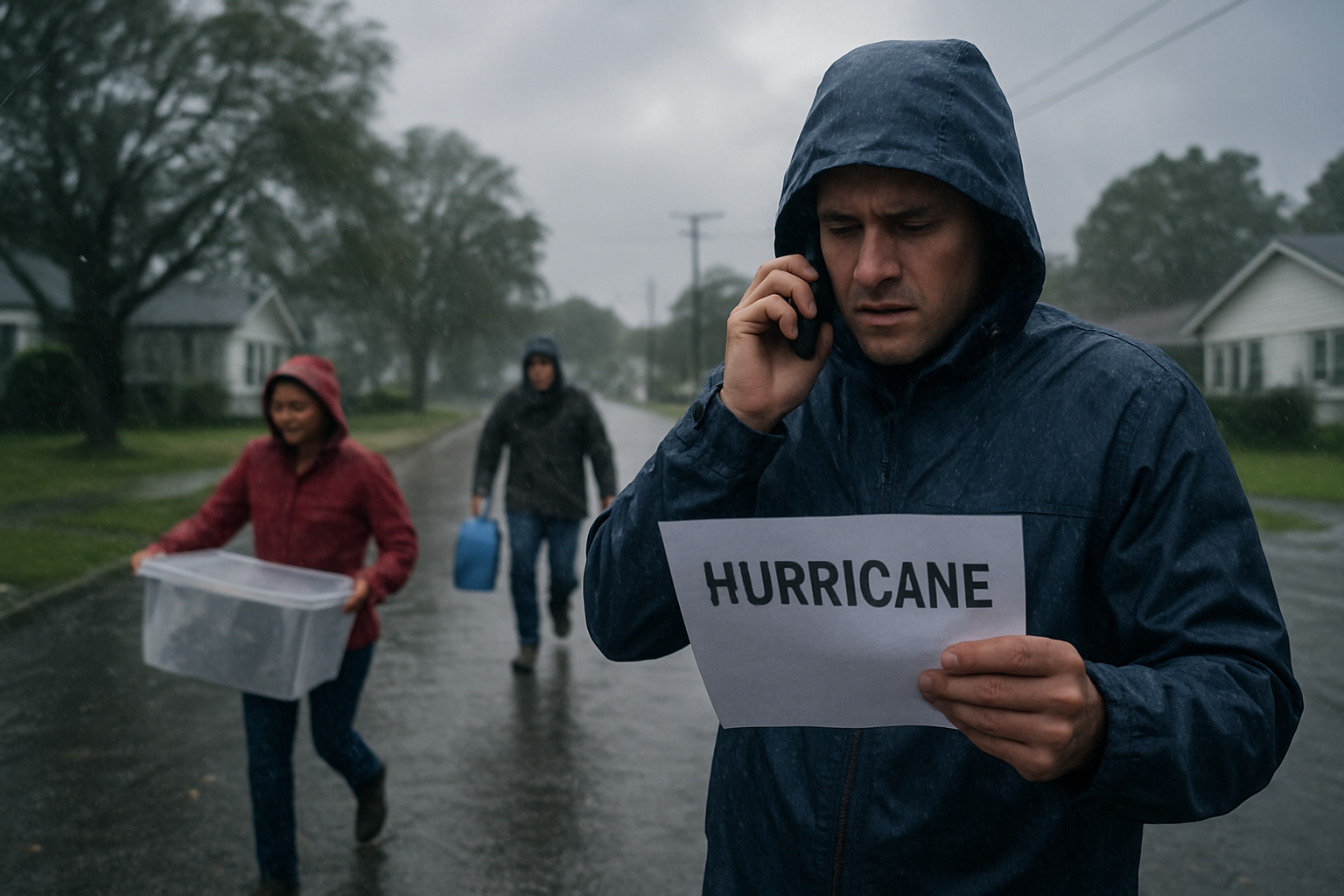
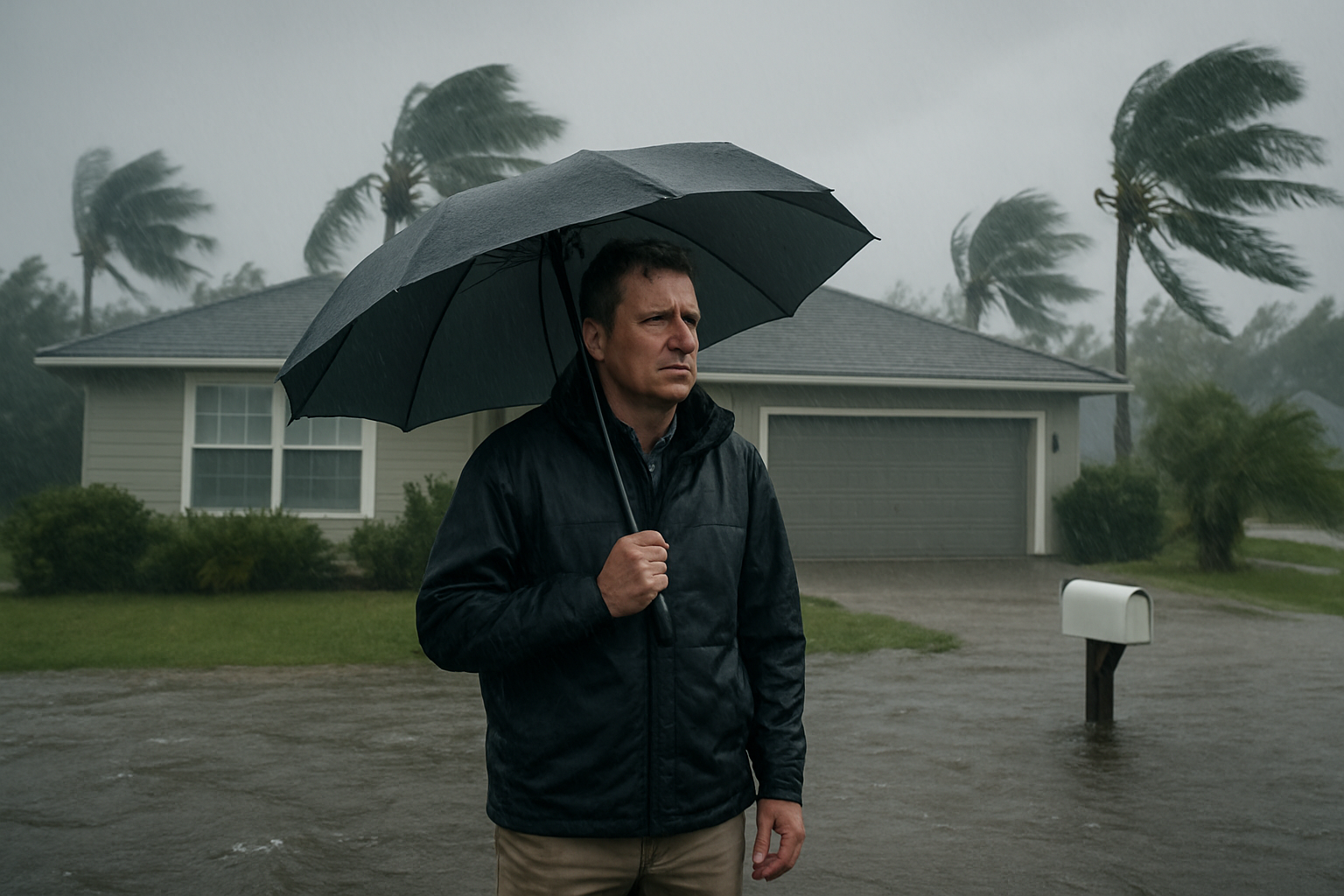
Hurricane forecasts and warnings are vital tools for preparing for potential storms. Understanding these can help you make informed decisions to keep your family and property safe. The National Hurricane Center (NHC) provides official forecasts and updates. Pay attention to:
- Tropical Storm and Hurricane Watches: These alerts indicate that storm conditions are possible in the area, typically issued 48 hours before the anticipated hazardous conditions.
- Tropical Storm and Hurricane Warnings: These signify that hurricane conditions are expected in the area, usually within 36 hours.
It is also important to follow updates from agencies like the Federal Emergency Management Agency (FEMA) and local emergency management offices, which provide essential guidance and resources during severe weather events.
Building a Comprehensive Emergency Supply Kit
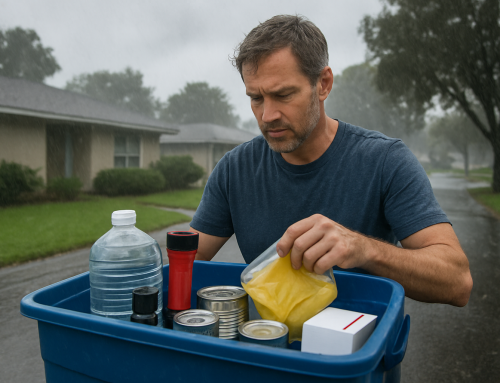
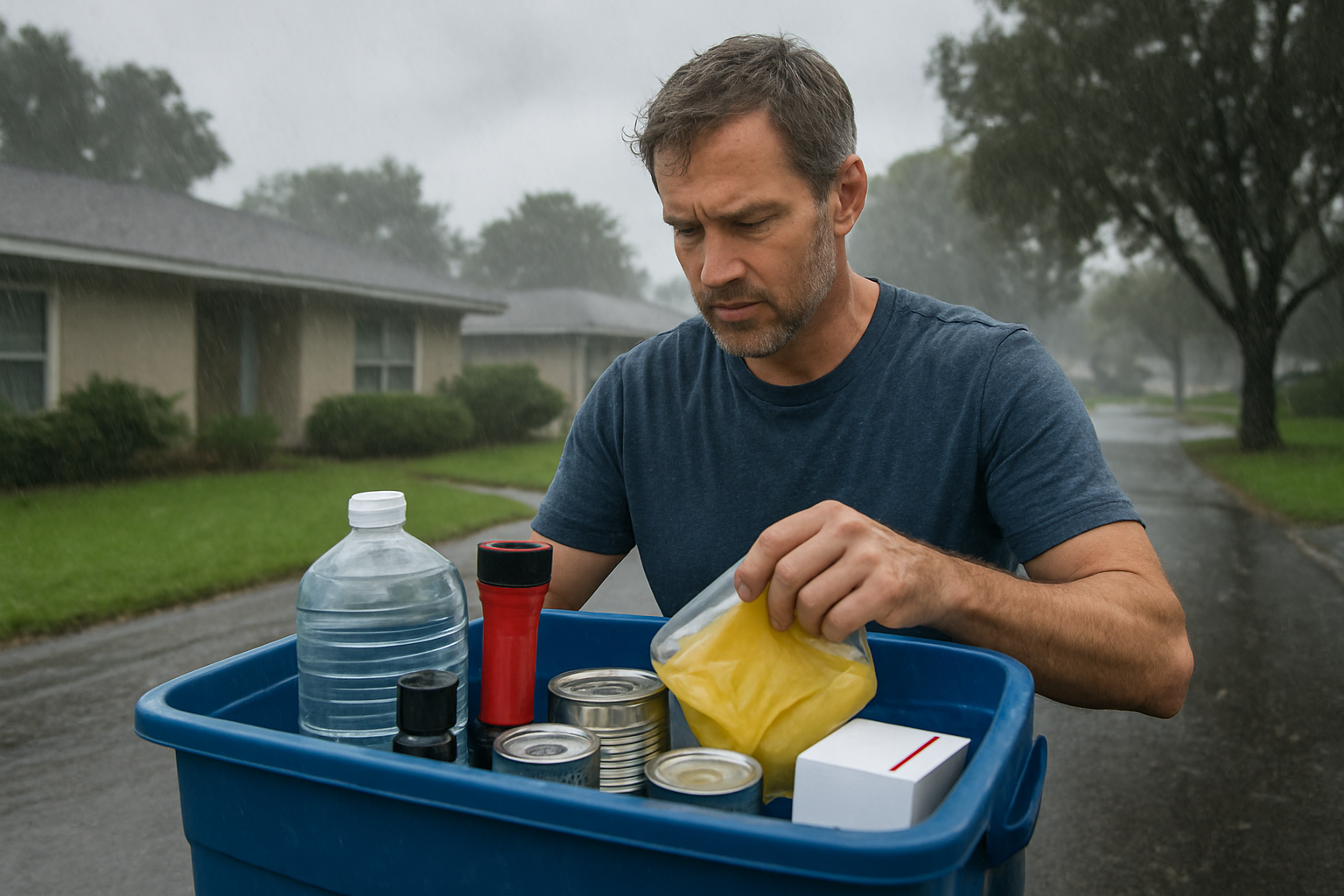
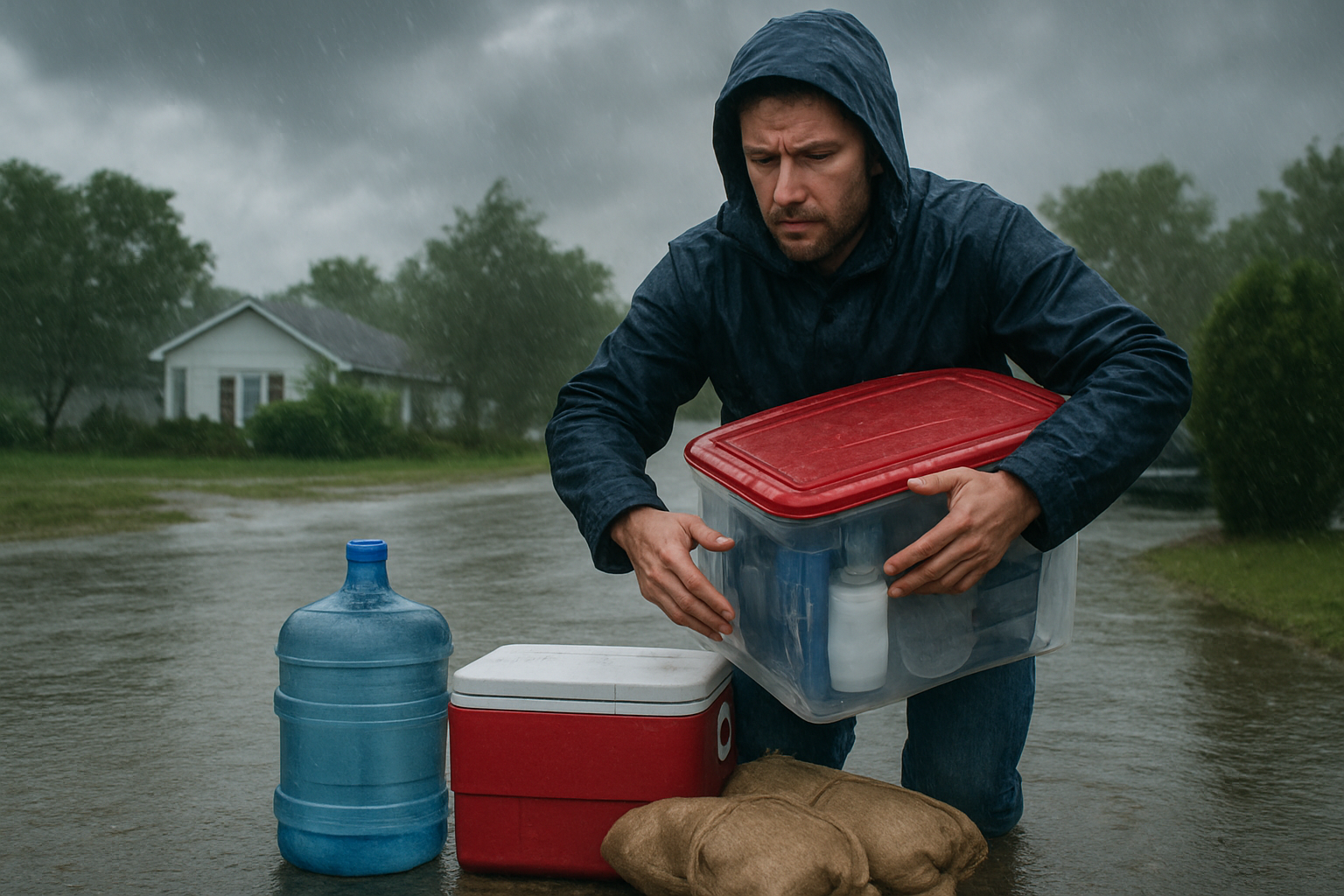
Having a well-stocked emergency kit is essential. Here’s what you should include:
- Water: At least one gallon per person per day for at least three days.
- Non-perishable food: A three-day supply of food such as canned goods and protein bars.
- First-aid kit: Include all necessary medications and basic first aid supplies.
- Flashlights and batteries: Multiple flashlights and a sufficient supply of batteries.
- Battery-powered or hand-crank radio: To receive emergency updates.
- Basic tools: Things like a multi-tool or a wrench for turning off utilities.
- Personal hygiene items: Sanitation supplies such as moist towelettes and garbage bags.
- Emergency Blankets: To keep warm in case of cold weather.
Safety Measures to Protect Your Home
Securing your home can minimize damage. Consider these measures:
- Install storm shutters: Protect windows with shutters or plywood.
- Reinforce doors: Ensure doors are sturdy and can be securely locked.
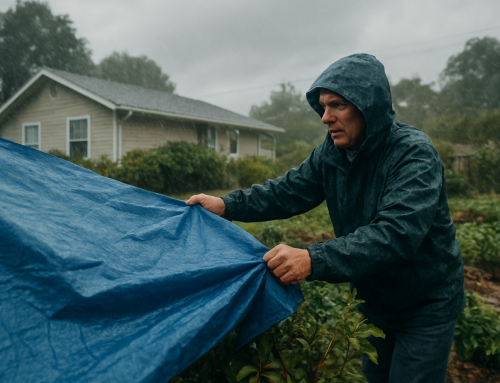
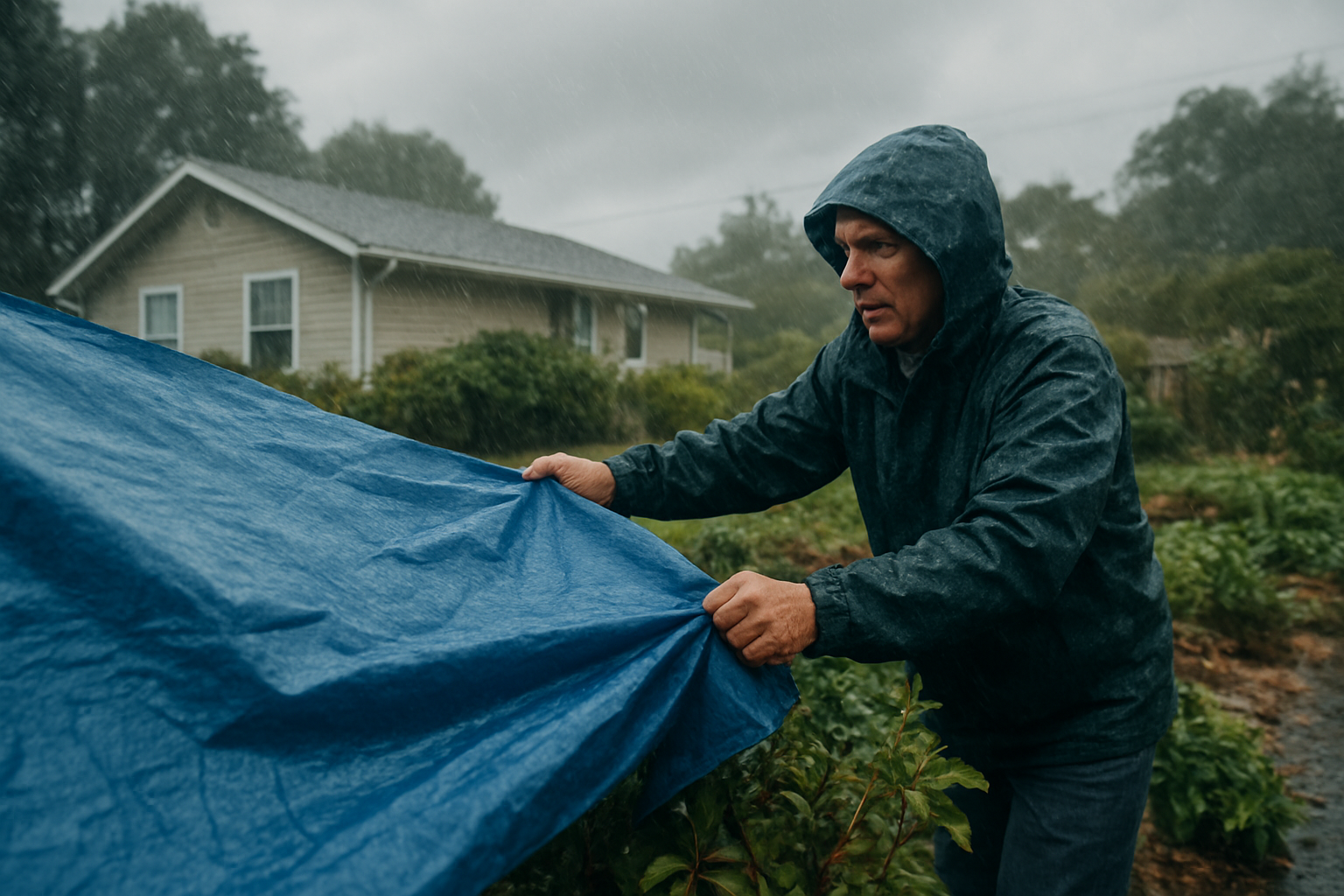
- Secure outdoor items: Bring in loose items like patio furniture and planters.
- Trim trees and shrubs: Well-trimmed foliage is less likely to cause damage in high winds.
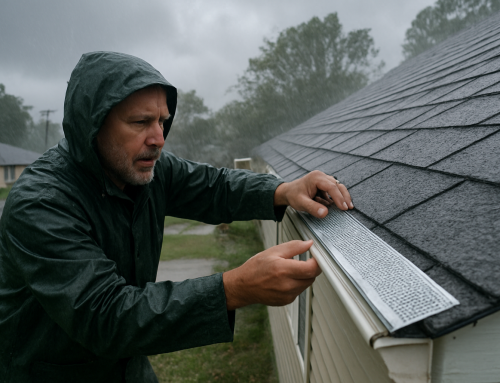
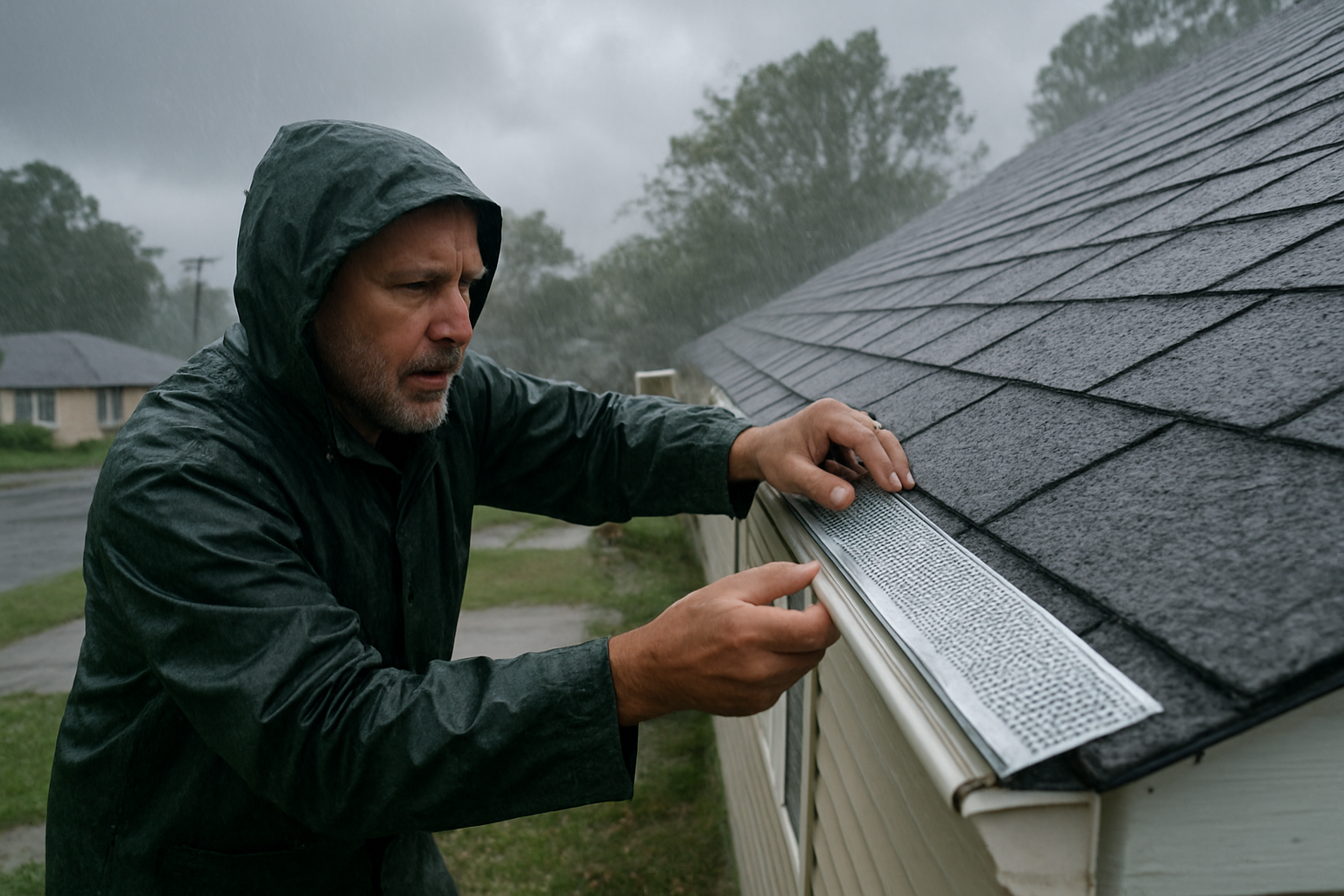
- Inspect Roofing: Check that shingles and tiles are secure.
Creating a Family Communication and Evacuation Plan
A clear plan ensures everyone knows what to do before, during, and after a hurricane. Include:
- Communication Plan: Establish how your family will contact each other during an emergency.
- Evacuation Routes: Know the local evacuation routes and shelters.
- Transportation Plan: Ensure you have reliable transportation and a full tank of gas.
- Pet Plan: Arrange for your pets’ safety and shelter needs.
- Emergency Contacts: Keep a list of local emergency phone numbers.
Review your communication plan regularly and make sure all family members are familiar with it.
Preparing for Power Outages and Water Shortages
Loss of power and water can last days, making preparation critical:
- Generators: Consider using a generator for essential appliances, but ensure it is used safely.
- Water Storage: Fill bathtubs and large containers with water for sanitation and flushing.
- Backup Batteries: Keep power banks charged for electronic devices.
- Manual Can Opener: Handy for accessing non-perishable food items.
Always follow safety guidelines for generator use, including keeping it outdoors and away from intakes that can bring carbon monoxide indoors.
Protecting Important Documents Effectively
Keep vital documents safe and accessible:
- Waterproof Containers: Store documents like IDs and insurance papers here.
- Digital Copies: Backup important documents on a secure digital cloud service.
- Photographic Record: Use a camera or phone to take digital images of critical documents.
Consider a fireproof safe that also provides protection against water damage.
Safety Tips During and After a Hurricane
Staying safe during and after a hurricane is crucial. Consider the following:
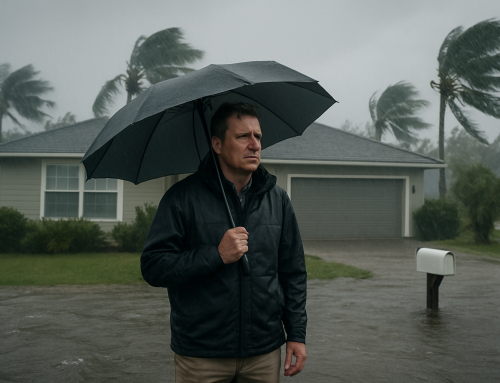
- Stay Indoors: Remain in a secure room away from windows during the storm.
- Monitor Updates: Keep informed through local news and official channels.
- Avoid Flood Waters: Do not walk or drive through flooded areas.
- Use Caution with Generators: Operate generators outdoors to prevent carbon monoxide poisoning.
- Inspect for Damage: Check for structural damage before re-entering buildings.
Continue to follow guidance from local authorities about safety precautions and when it is safe to venture outside after a storm.
Leveraging Community and Governmental Resources
Utilizing available resources can greatly assist in preparation and recovery:
- FEMA Assistance: Familiarize yourself with services offered by FEMA post-storm.
- Local Alerts and Services: Sign up for alerts from local emergency services.
- Community Help: Engage with local community groups that support hurricane preparedness.
- Red Cross Preparedness: Use tools and resources provided by the Red Cross.
Staying connected with community resources can provide the support needed to navigate challenges before, during, and after a hurricane.
Be Prepared
Prepare for the storm with our comprehensive Hurricane Prep Checklist. It covers everything you need to safeguard your home and family during hurricane season. Hurricane Prep Checklist
Final Thoughts
Hurricane preparedness is an ongoing process. By preparing thoughtfully and thoroughly, you can significantly mitigate risks to your family and property. Stay informed, equipped, and connected with community resources to ensure safety and resilience during hurricane season. For a detailed checklist, refer to our Hurricane Prep Checklist.