Understanding Types of Insurance Coverage for Hurricanes
When preparing for hurricane season, understanding the different types of insurance coverage available is critical. Homeowners insurance, while essential, typically covers wind damage but often excludes flooding. Therefore, it is important to consider additional policies:
- Windstorm Insurance: This is essential in areas prone to hurricanes and covers damage from high winds.
- Flood Insurance: Standard homeowners insurance does not cover flood damage. You will need separate coverage through the National Flood Insurance Program (NFIP) or private insurers.
- Comprehensive Homeowners Insurance: This may include wind damage, but verify with your provider.
Tips for Reviewing and Updating Your Policy
It’s crucial to regularly review and update your insurance policy to ensure adequate hurricane coverage. Here are some tips:
- Assess Coverage Limits: Make sure your policy covers the current replacement value of your home and possessions.
- Adjust for Home Improvements: If you’ve renovated, update your policy to reflect increased property values.
- Review Deductibles: Higher deductibles lower premiums but ensure you can afford the out-of-pocket expense if disaster strikes.
- Check Policy Exclusions: Understand what is not covered, such as floods or mold, and consider additional riders if necessary.
How to Document Your Belongings for Insurance Purposes
Accurate documentation can expedite claims and ensure fair compensation. Follow these steps to document your valuables:
- Inventory your Home: List items room by room, noting their value and purchase dates.
- Capture Images: Photograph or video significant items and keep a copy offsite or online.
- Store Receipts: Keep receipts for large or expensive purchases.
- Utilize Apps: Use inventory applications to keep your list organized and easily accessible.
Steps to Take When Filing a Hurricane-Related Insurance Claim
In the unfortunate event of damage from a hurricane, being prepared can streamline the claims process:
- Contact your Insurer Promptly: Report the claim as soon as possible to start the process.
- Document Damage: Photograph or video the damage before cleaning or making temporary repairs.
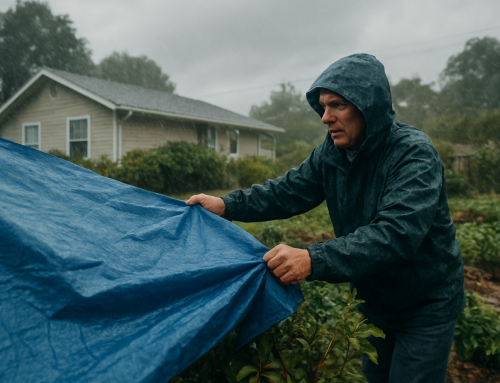
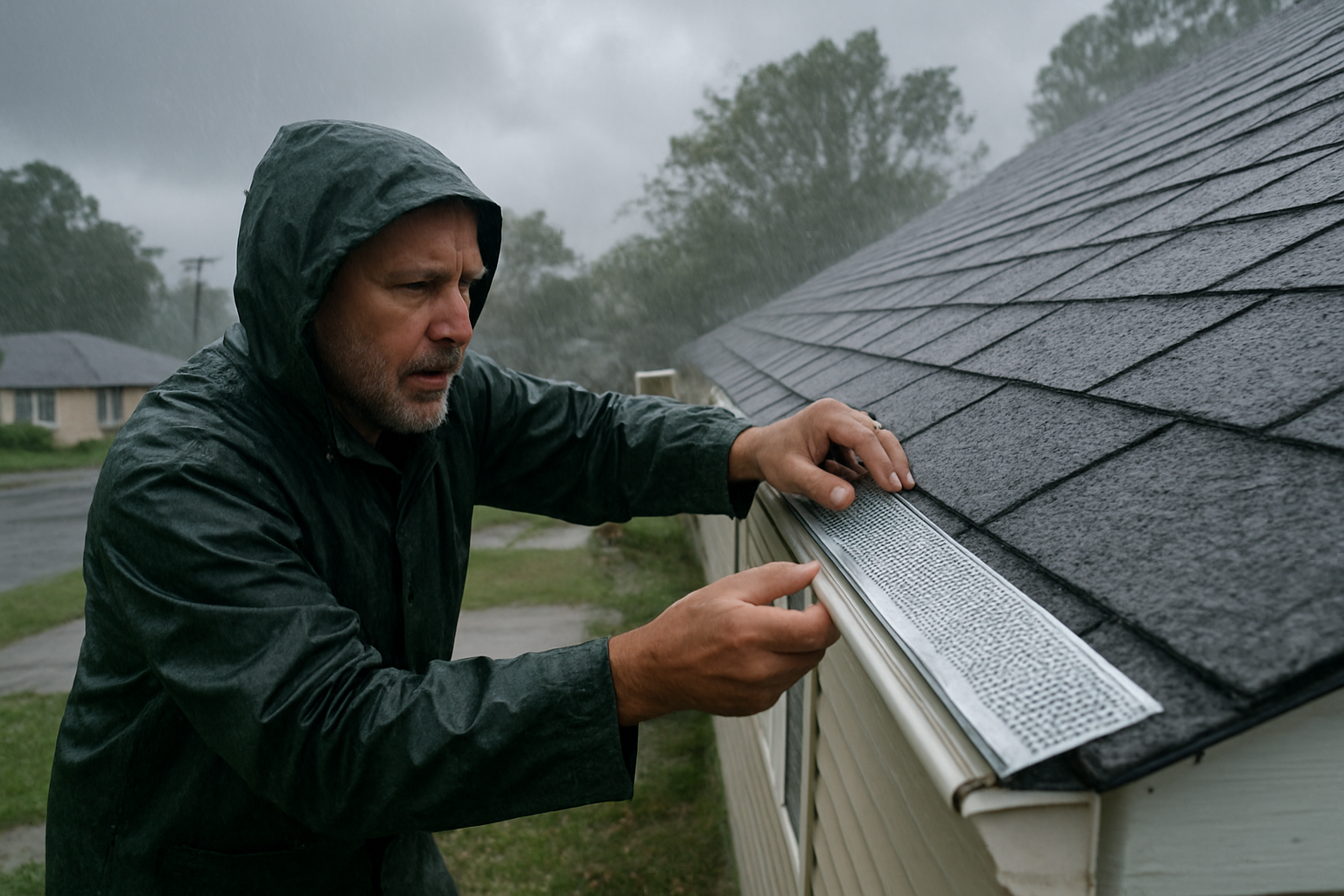
- Secure the Property: Make temporary repairs to prevent further damage; save receipts for reimbursement.
- Stay Organized: Keep detailed records of all communications with your insurer and contractors.
Common Insurance Pitfalls and How to Avoid Them
Homeowners often encounter common insurance pitfalls that can be avoided with careful planning:
- Underinsurance: Ensure your coverage limits match the cost to rebuild and replace contents.
- Ignoring Policy Exclusions: Always know what risks are excluded and consider additional coverage as needed.
- Failure to Update Coverage: Regularly review your policy for needed adjustments, especially after major purchases or home improvements.
Importance of Flood Insurance and How It Differs
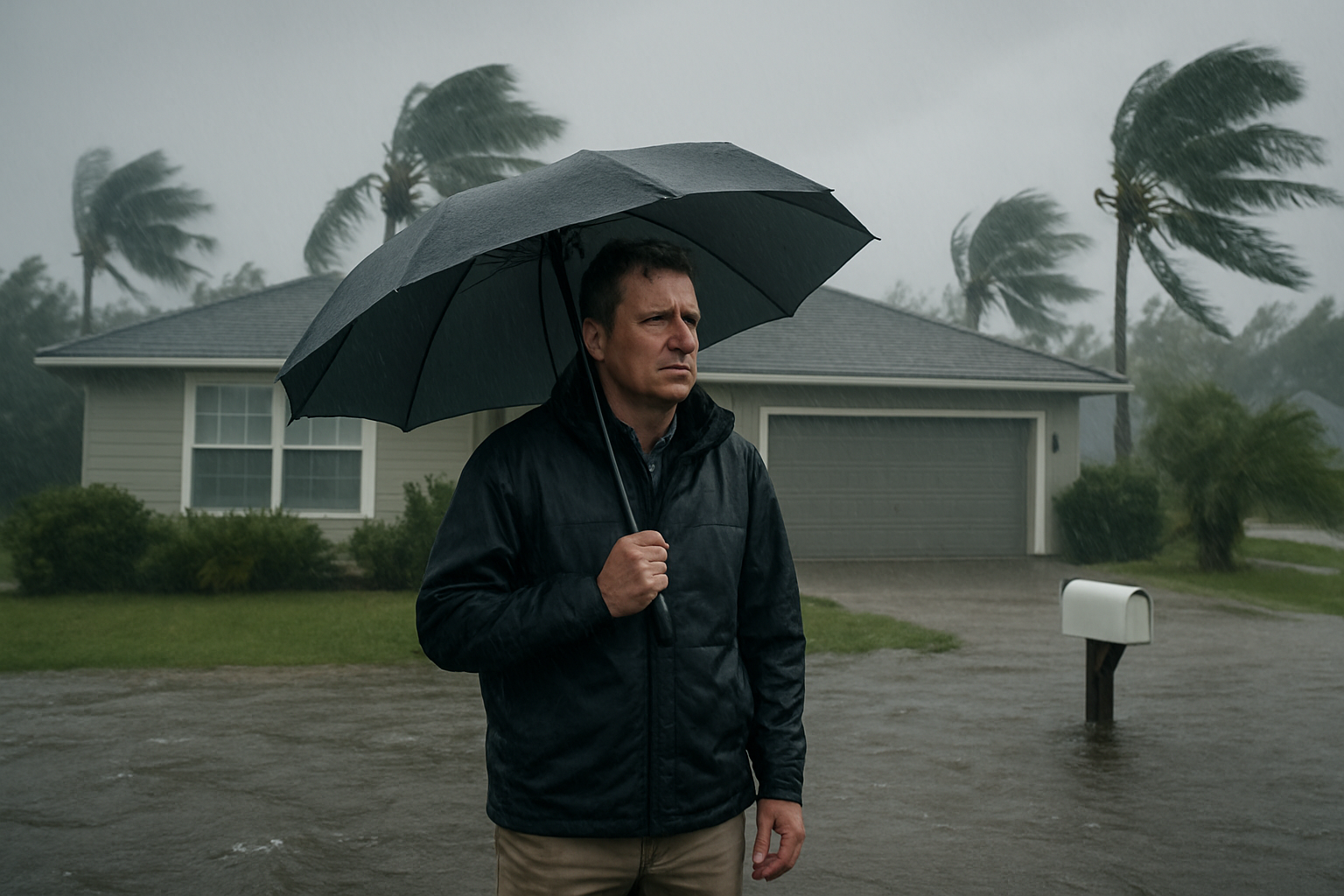
Flood insurance is a separate policy essential for coverage as standard homeowners insurance typically excludes flood damage. Consider the following:
- Understanding Risk: Even low-risk areas can experience flooding, making coverage vital.
- Coverage Details: Flood insurance covers damage to your home’s structure and contents.
- Policy Requirements: There may be a waiting period before coverage starts.
Emergency Preparedness: Enhancing Your Hurricane Readiness
Aside from insurance, general preparedness is vital in the event of a hurricane. Here are some steps to ensure you and your family are ready:
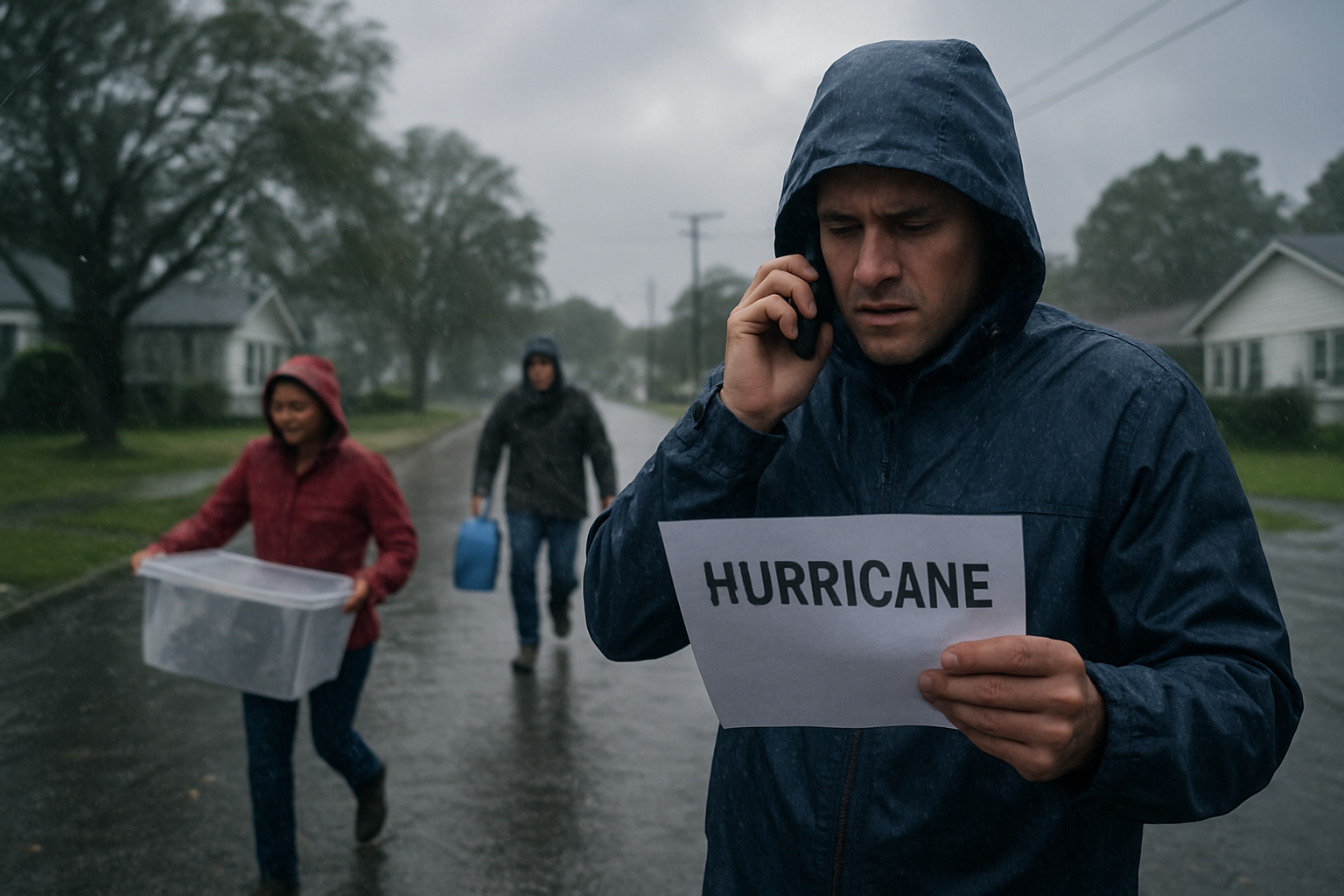
- Create a Family Communication Plan: Ensure all family members know how to reach each other and where to meet in an emergency.
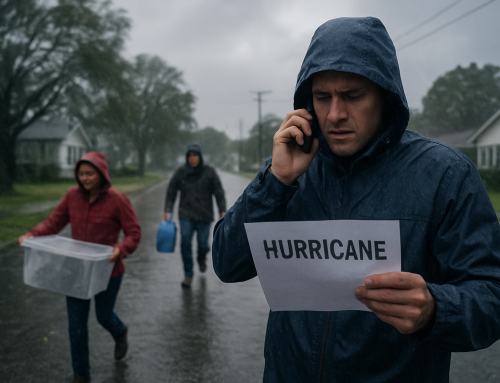
- Monitor Official Alerts: Keep abreast of local news and alert apps to receive timely weather updates and warnings.
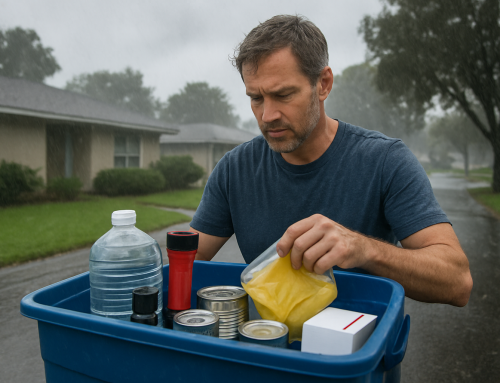
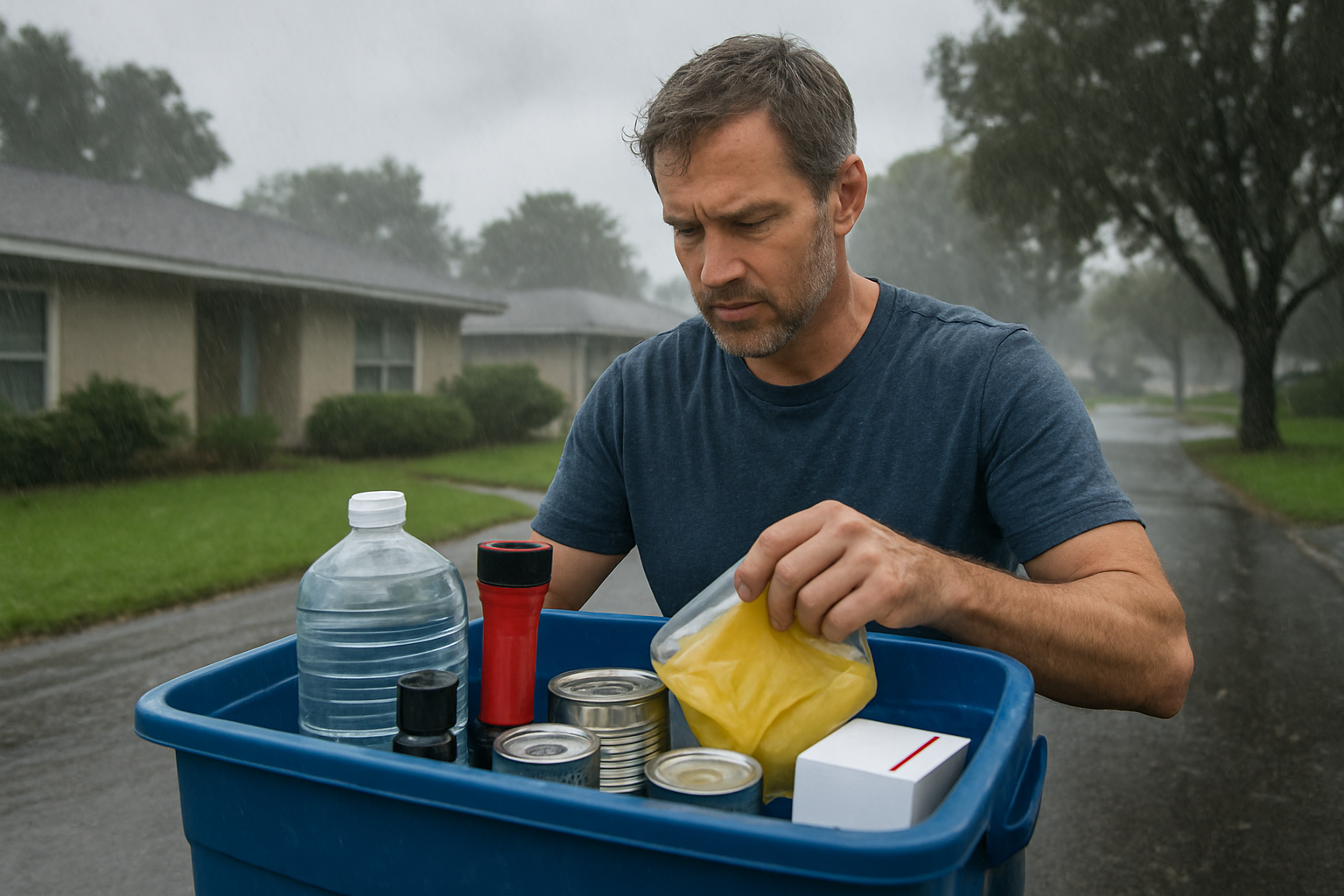
- Prepare an Emergency Kit: Pack non-perishable food, water, flashlights, batteries, first-aid supplies, medications, and important documents.
- Charge Phones and Backup Batteries: Ensure all communication devices are fully charged and have backup power sources.
- Protect Important Documents: Secure documents such as insurance policies, birth certificates, and identification in waterproof containers.
- Check Your Vehicle: Ensure your vehicle is in good condition and fueled in case evacuation is necessary.
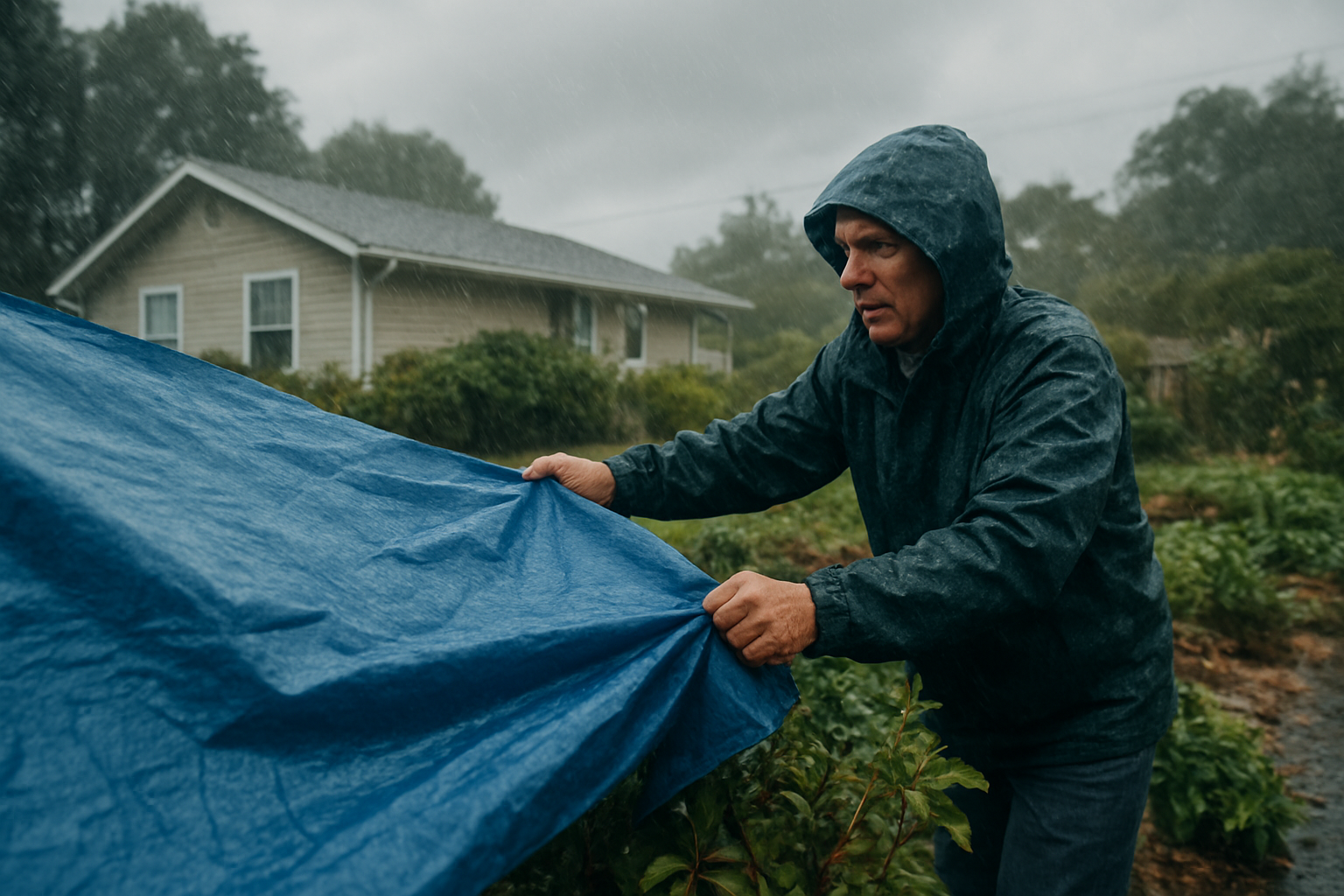
- Secure Outdoor Items: Bring in or secure outdoor furniture, toys, and decorations that could become projectiles in high winds.
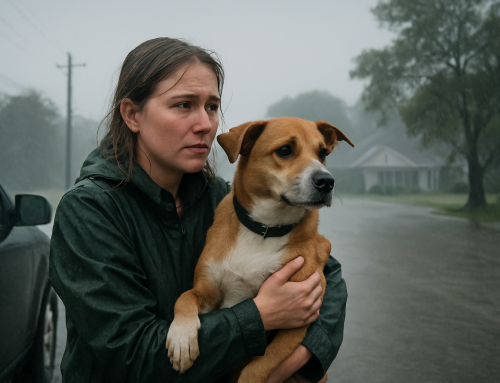
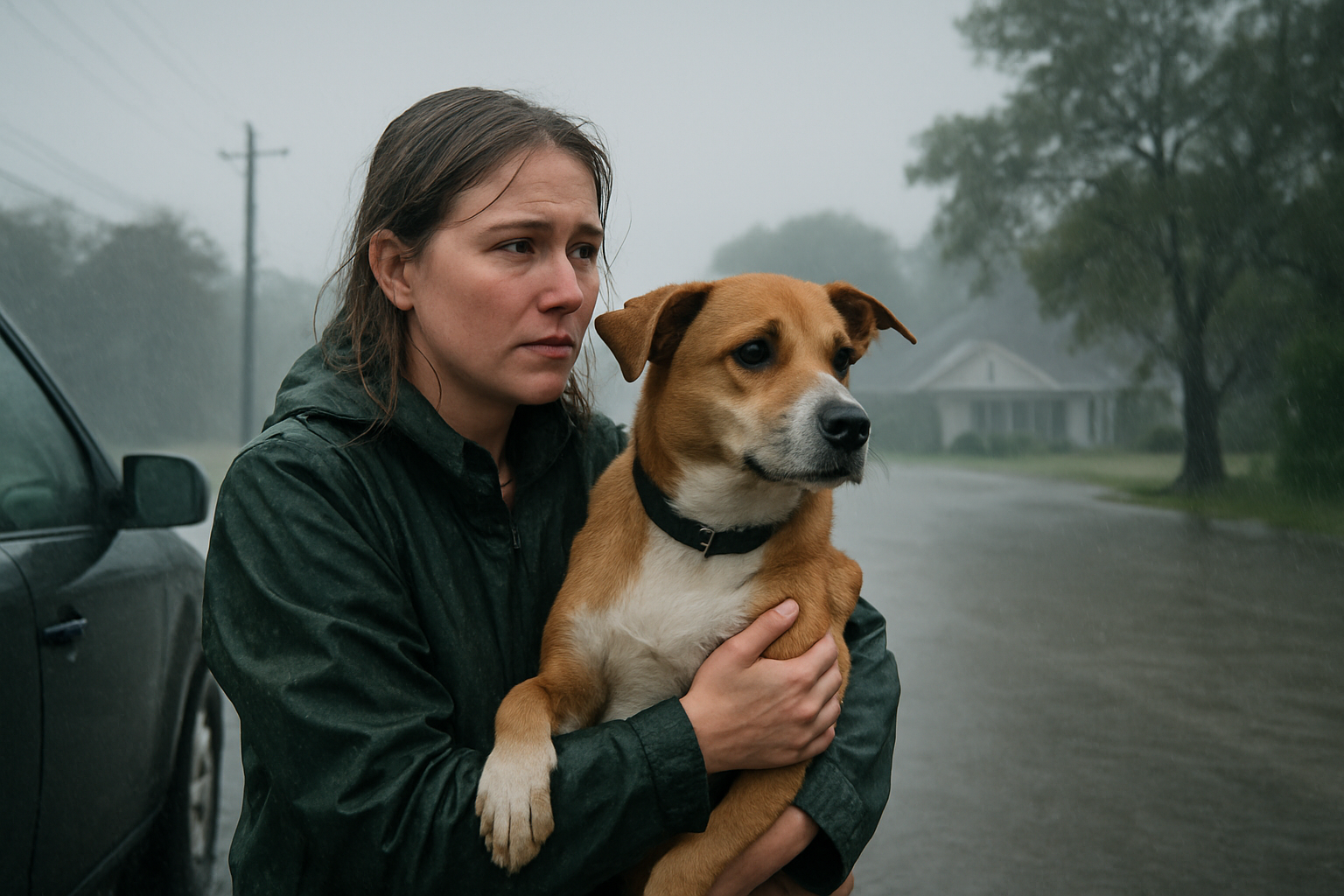
- Pet Preparedness: Have a plan for your pets, including food, water, and a safe place for them during the storm.
Be Prepared
Prepare for any storm with a comprehensive checklist. Hurricane Prep Checklist
Final Thoughts
Securing the right insurance coverage for hurricanes is a proactive step in safeguarding your assets. Understanding your policy, maintaining proper documentation, and knowing the claims process are crucial. Evaluate your current insurance, adjust as necessary, and ensure you have the right protections in place to face potential hurricanes with confidence.
For more detailed preparedness strategies, download our Hurricane Prep Checklist.