Extended Flood Warning in Iowa: Preparedness Tips
The National Weather Service has extended flood warnings in Iowa, specifically affecting the Cedar River near Conesville and the Iowa River at various locations including Oakville, Lone Tree, Wapello, and Kalona. The rivers are expected to crest at a height of 17.5 feet by Tuesday afternoon, indicating minor but significant flooding. Residents should prepare for potential inconveniences as road closures are anticipated, particularly on Sand Road south of 520th Street.
What We Know Now
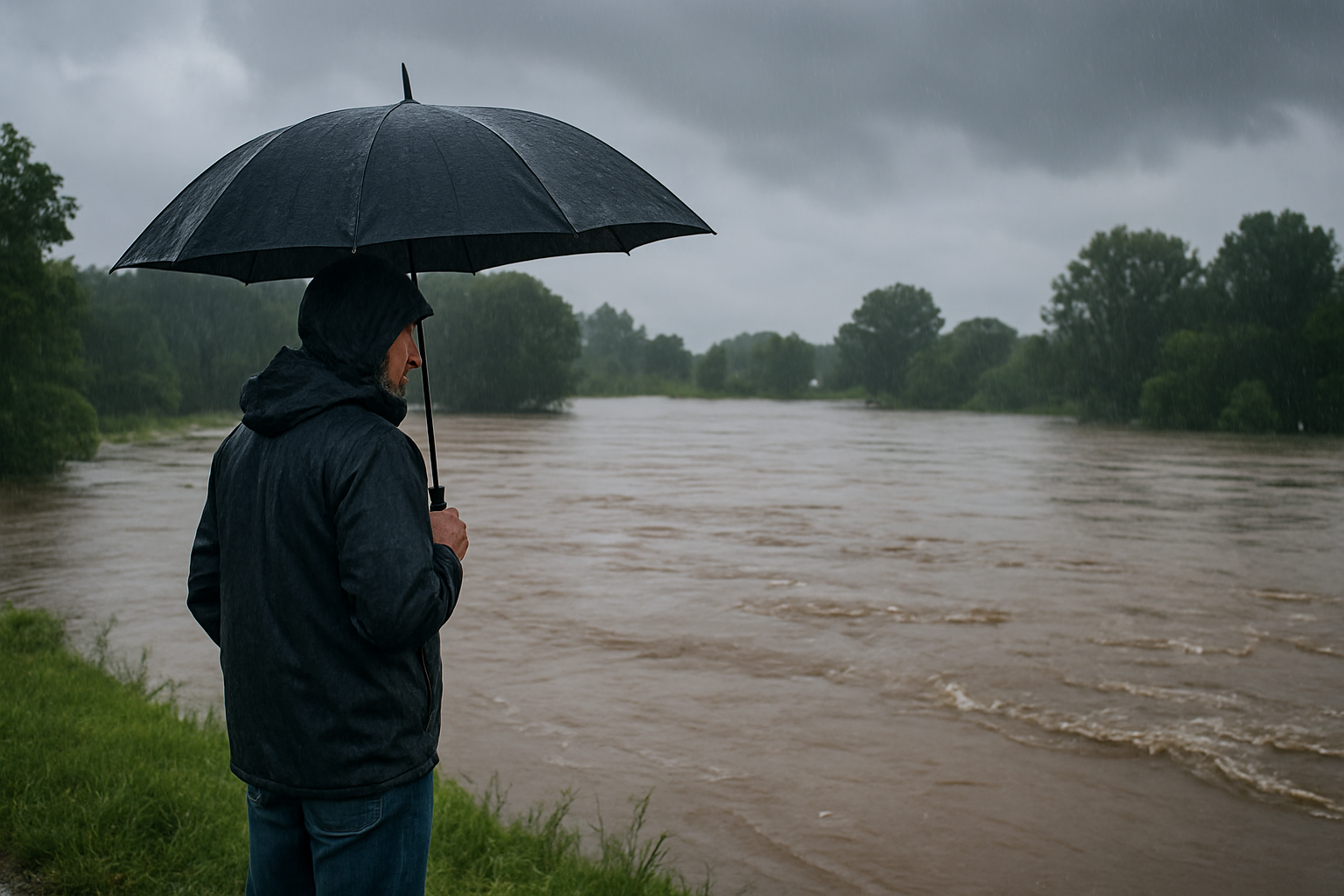
According to the National Weather Service, both the Cedar and Iowa rivers are forecasted to experience minor flooding. Precautionary measures are being emphasized as the river levels rise, potentially impacting local infrastructure. Flooding of this nature can disrupt daily activities and pose risks to safety, particularly in low-lying areas.
Who Is Affected
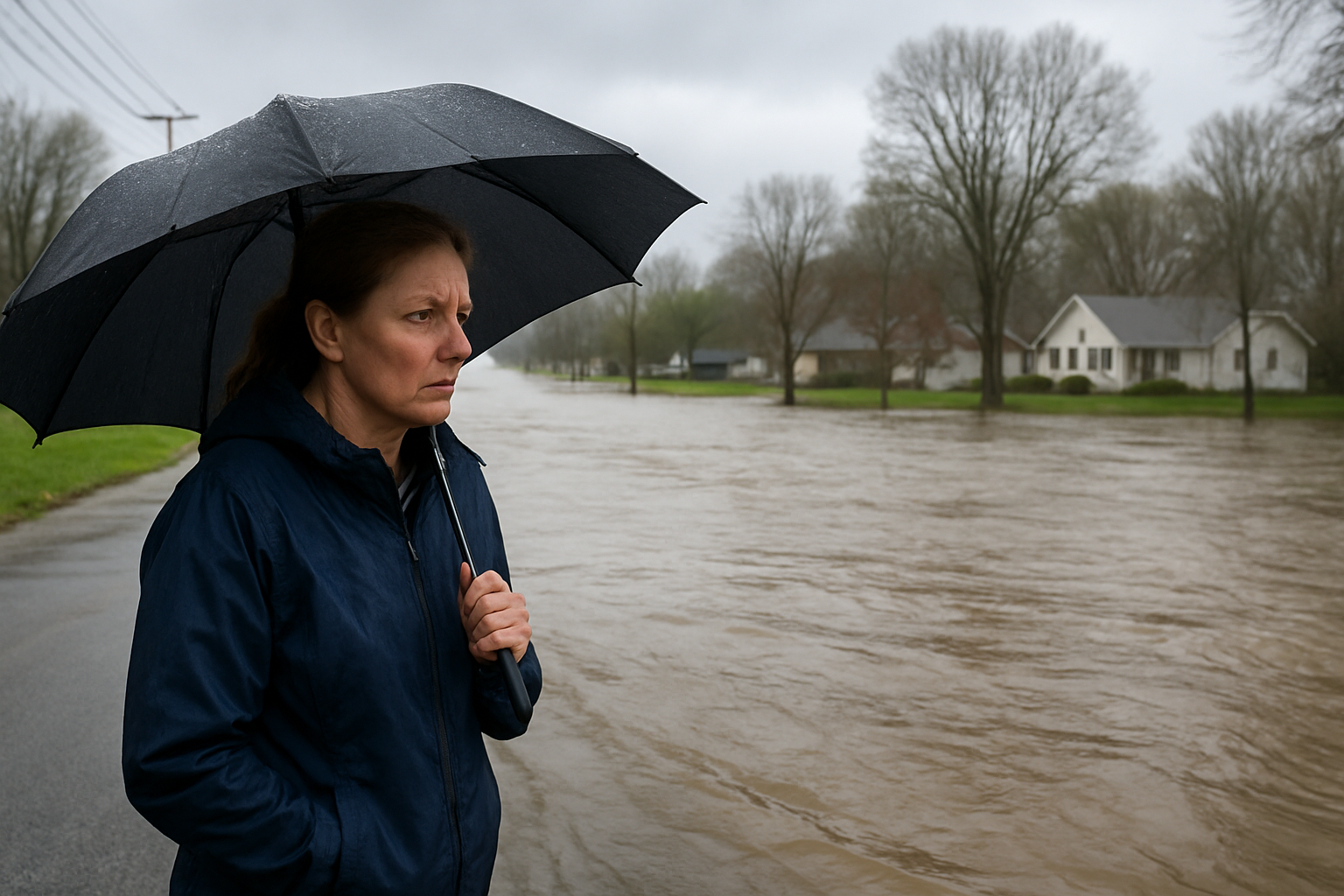
The communities along the Cedar River near Conesville and the Iowa River in Oakville, Lone Tree, Wapello, and Kalona should remain vigilant. Residents in these areas might experience disruptions due to potential road closures and standing water, making travel challenging. It’s crucial for these communities to stay updated on the changing conditions and act according to guidance from local authorities.
What You Should Do
Residents in affected areas should take the following preparedness steps:
- Stay informed by monitoring local news and weather updates from credible sources.
- Prepare an emergency kit with essentials, including food, water, medications, and important documents.
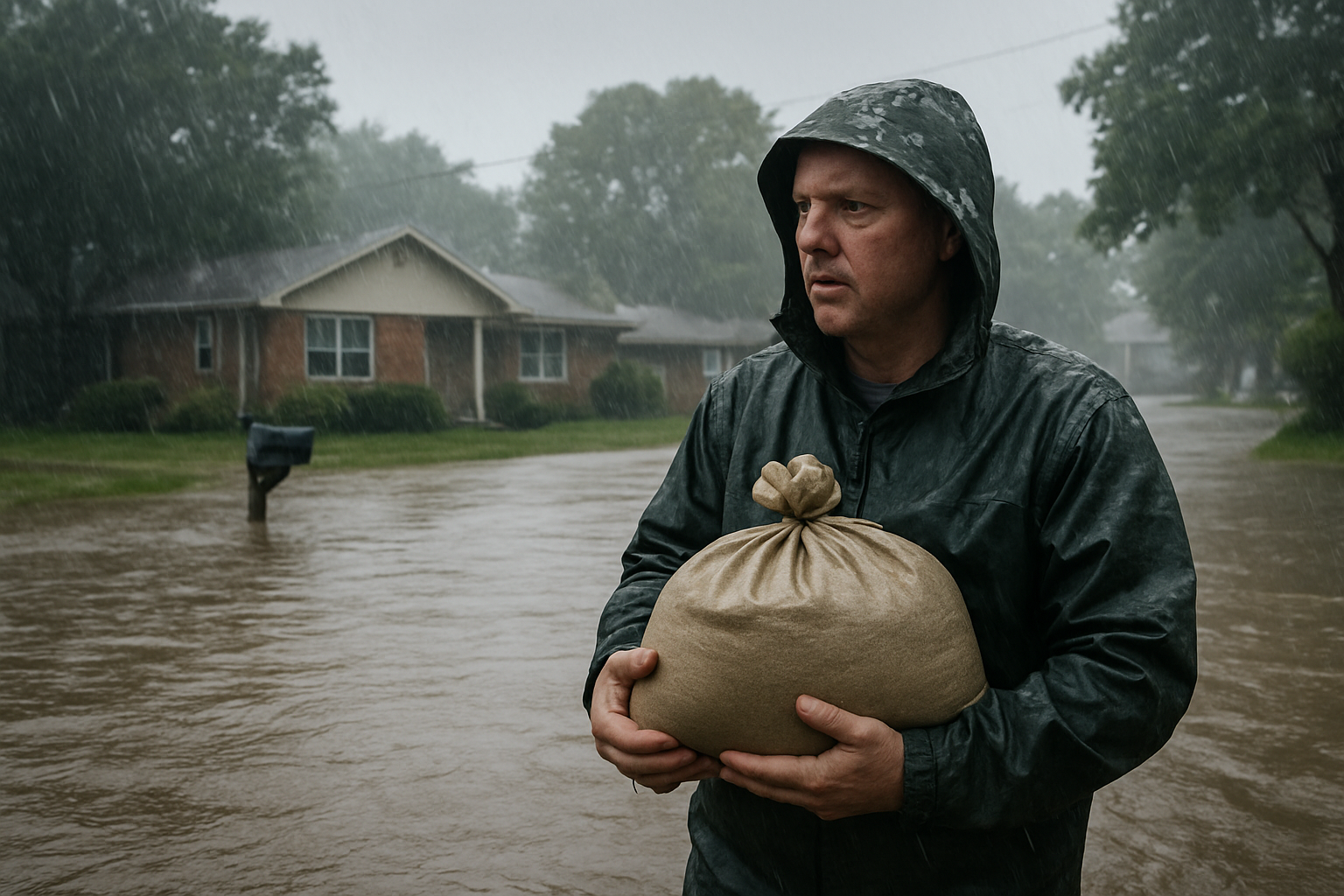
- Secure outdoor items such as patio furniture and garden tools to prevent them from being washed away.
- Avoid driving or walking through flooded roads and areas, as it only takes a small amount of moving water to sweep away a vehicle or person.
- Identify the safest route to higher ground should evacuation become necessary, ensuring all family members are aware of the plan.
- Charge electronic devices and ensure you have backup power sources available like portable chargers or generators, adhering to safety guidelines.
- Prepare your vehicle with a full tank of gas to facilitate a swift evacuation if needed.
- Take care of pets by having a supply of food and water designated for them, as well as their carriers or leashes prepared for an evacuation.
- Check on elderly or vulnerable neighbors to offer assistance if they are unable to prepare on their own.
Be Prepared
Ensure your safety by preparing with our comprehensive Flood Preparedness Guide. Flood Preparedness Guide
Final Thoughts
Being proactive and prepared is crucial during flood events, even minor ones. By staying informed and taking the right precautions, you can protect yourself and your loved ones. For additional guidance, visit the National Weather Service’s website for live updates and advisories.