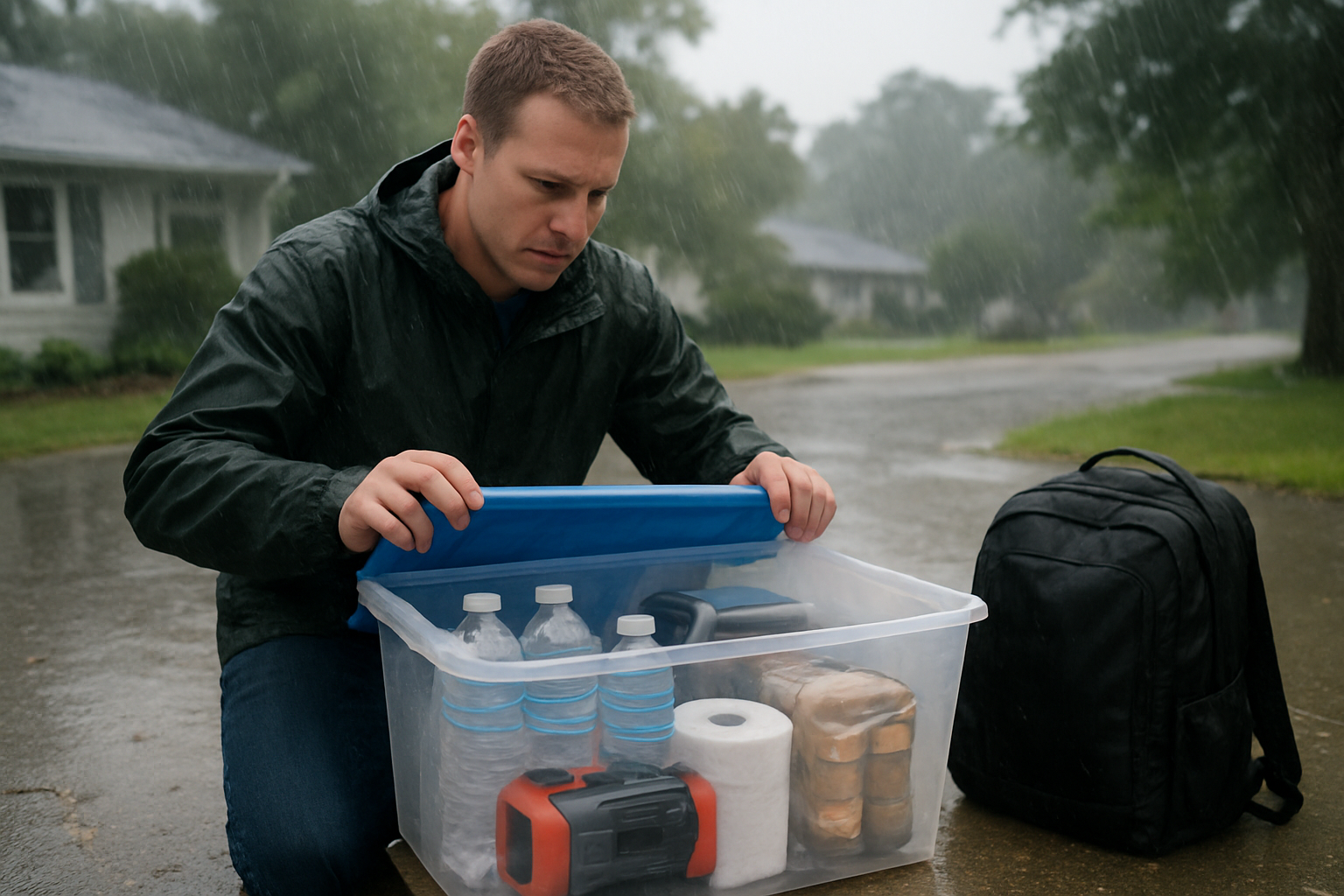
Building a Comprehensive Emergency Supply Kit for Hurricane Preparedness
Preparing for a hurricane requires more than just monitoring weather updates. A well-prepared emergency supply kit tailored for hurricane situations is crucial for ensuring the safety and comfort of your family. In this guide, we’ll explore the essential components of a hurricane emergency supply kit, along with tips for storage and maintenance.
Importance of Having an Emergency Supply Kit for Hurricanes
During a hurricane, access to basic necessities like water, electricity, and food might be disrupted. An emergency supply kit provides the essentials needed to survive the first few days after a hurricane, reducing stress and improving safety conditions in the event of evacuations or sheltering in place.
Essential Items to Include in Your Kit
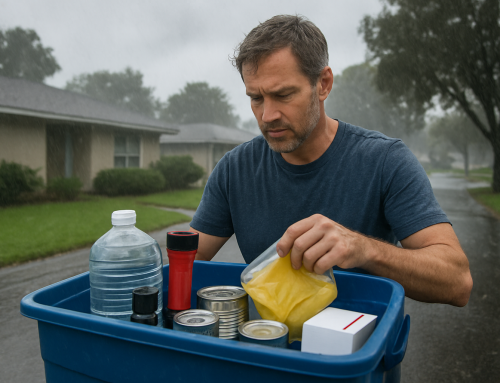
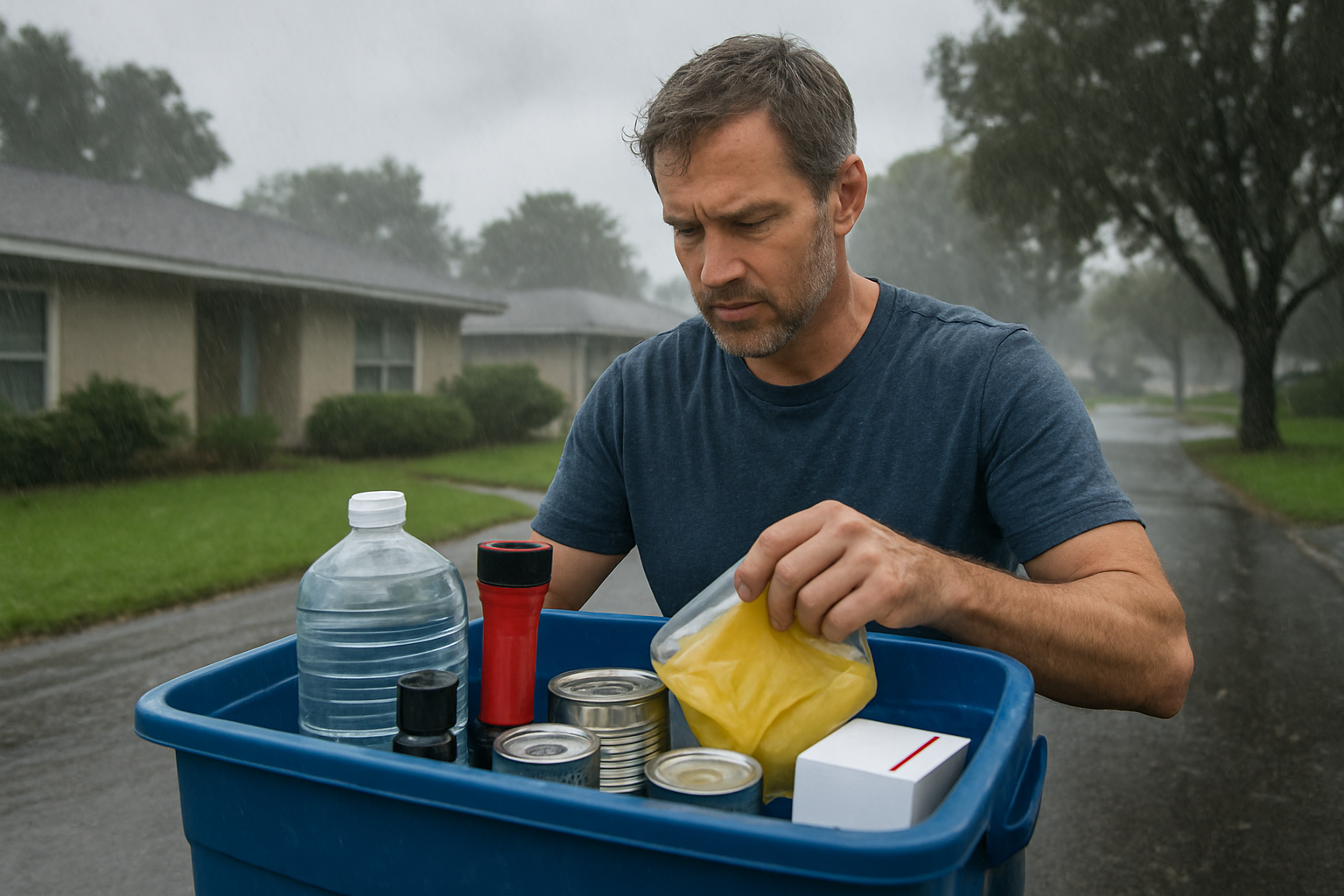
- Water: Store at least one gallon of water per person, per day, for at least three days.
- Non-perishable Food: Include canned goods, energy bars, and other food that does not require cooking or refrigeration.
- Battery-Powered or Hand Crank Radio: Critical for receiving weather updates and emergency information.
- Flashlights: Keep multiple flashlights and extra batteries on hand.
- First Aid Kit: Ensure it contains bandages, antiseptic wipes, and basic medications.
- Multi-tool or Swiss Army Knife: Useful for a variety of tasks.
- Personal Hygiene Items: Include toothbrushes, toothpaste, and sanitary products.
- Copies of Personal Documents: Protect important documents like passports and medical records in waterproof containers.
Special Considerations for Family Members with Specific Needs
If you have family members with special needs, such as infants, the elderly, or those with medical conditions, it’s necessary to tailor your kit accordingly:
- Babies: Formula, diapers, bottles, and baby food.
- Medications: Stock up on at least a week’s supply of prescription medications, along with medical devices like oxygen tanks.
- Mobility Aids: Spare batteries or backups for wheelchairs or scooters.
How to Properly Store and Maintain Your Emergency Kit
Store your emergency supply kit in a cool, dry place that’s easily accessible, and make sure that everyone in the household knows its location. Consider using a waterproof bag or container to protect the contents from water damage.
Tips for Packing Food and Water Supplies
Select food items that have a long shelf life and require minimal preparation. Canned foods can be high in sodium, so balance your nutrition. Rotate stored water supplies every six months to ensure freshness.
Recommendations for Battery and Flashlight Options
Opt for LED flashlights for longer battery life and brighter light. Rechargeable batteries are a sustainable choice, but ensure you have a manual backup in case power is unavailable. Solar-powered chargers can also be useful.
Guidance on Updating and Checking Your Kit Annually
Regularly check your emergency kit at least once a year to verify the condition of food, water, and batteries. Use specific dates, such as daylight saving time adjustments, as reminders to update your supplies.
Understanding the Role of Technology and Communication Devices
Maintain fully charged power banks and extra mobile chargers in your kit. Familiarize yourself with emergency communication apps and ensure you have emergency contacts stored both digitally and in printed form.
Additional Preparedness Tips
Family Communication Plan: Designate a family meeting spot and ensure every member knows how to reach it if communication becomes difficult. Keep an emergency contact list both in the kit and stored on everyone’s phone.
Protecting Important Documents: Use waterproof and fireproof bags for storing critical documents, such as insurance policies, property deeds, and identification documents.
Medication and Health Management: Have a sufficient supply of any necessary medications, and include copies of prescriptions in your emergency kit. Keep a list of all medical conditions and doctors’ contact information.
Vehicle Preparations: Keep your vehicle fuel tank full and have an emergency kit inside, including first aid supplies, water, and a blanket, in case you need to evacuate quickly.
Pet Preparedness: Prepare an emergency kit for pets with food, water, leashes, carriers, and medical records. Identify pet-friendly shelters or accommodation services.
Sheltering Considerations: Know the location of community shelters and the protocols they require. Understand the difference between an evacuation notice and a shelter-in-place order.
Post-Storm Safety: Be cautious of hazards such as downed power lines and watch for standing water that could be contaminated or hide dangerous debris. Keep updated on local advisories for when it’s safe to return home.
Be Prepared
Make sure you’re fully prepared for any hurricane that comes your way. Check out our comprehensive Hurricane Prep Checklist to ensure you have everything you need before a storm hits. Hurricane Prep Checklist
Final Thoughts
Being prepared for a hurricane involves forethought and planning. By assembling a comprehensive hurricane emergency supply kit, you can enhance your family’s safety and resilience against the challenges posed by severe weather events. Review and update your kit regularly, and tailor it to fit your household’s unique needs and circumstances.
For a complete list of items, refer to a Hurricane Prep Checklist that covers all bases.