Understanding the Importance of Hurricane Window Protection
When it comes to preparing your home for a hurricane, securing your windows is a crucial step in minimizing damage. Windows are vulnerable points that can shatter due to high winds or flying debris, potentially resulting in harm to the interior of your home and the people inside. Taking proactive measures to protect your windows can significantly boost your home’s resilience against hurricane forces.
Types of Window Protection
Various methods can be employed to safeguard windows during hurricanes, each offering distinct advantages. Here are three primary options:
1. Storm Shutters
- Accordion Shutters: Permanently attached beside the windows, these fold out like an accordion to cover the glass effectively. They are user-friendly and provide strong protection.
- Roll-Down Shutters: These are mounted above the window and can be easily rolled down to provide protection. They offer excellent durability and can be managed quickly when needed.
- Bahama Shutters: Attached with hinges at the top, these not only offer protection but also provide shade when not in use. They add aesthetic appeal to the home and are a practical choice for frequent storm areas.
2. Window Films
Protective window films are adhesive layers that help hold the glass together in the event of a break. While they don’t offer as much protection as shutters, they can prevent glass shards from scattering. They are ideal for supplementary protection and can also enhance security against break-ins.
3. Plywood
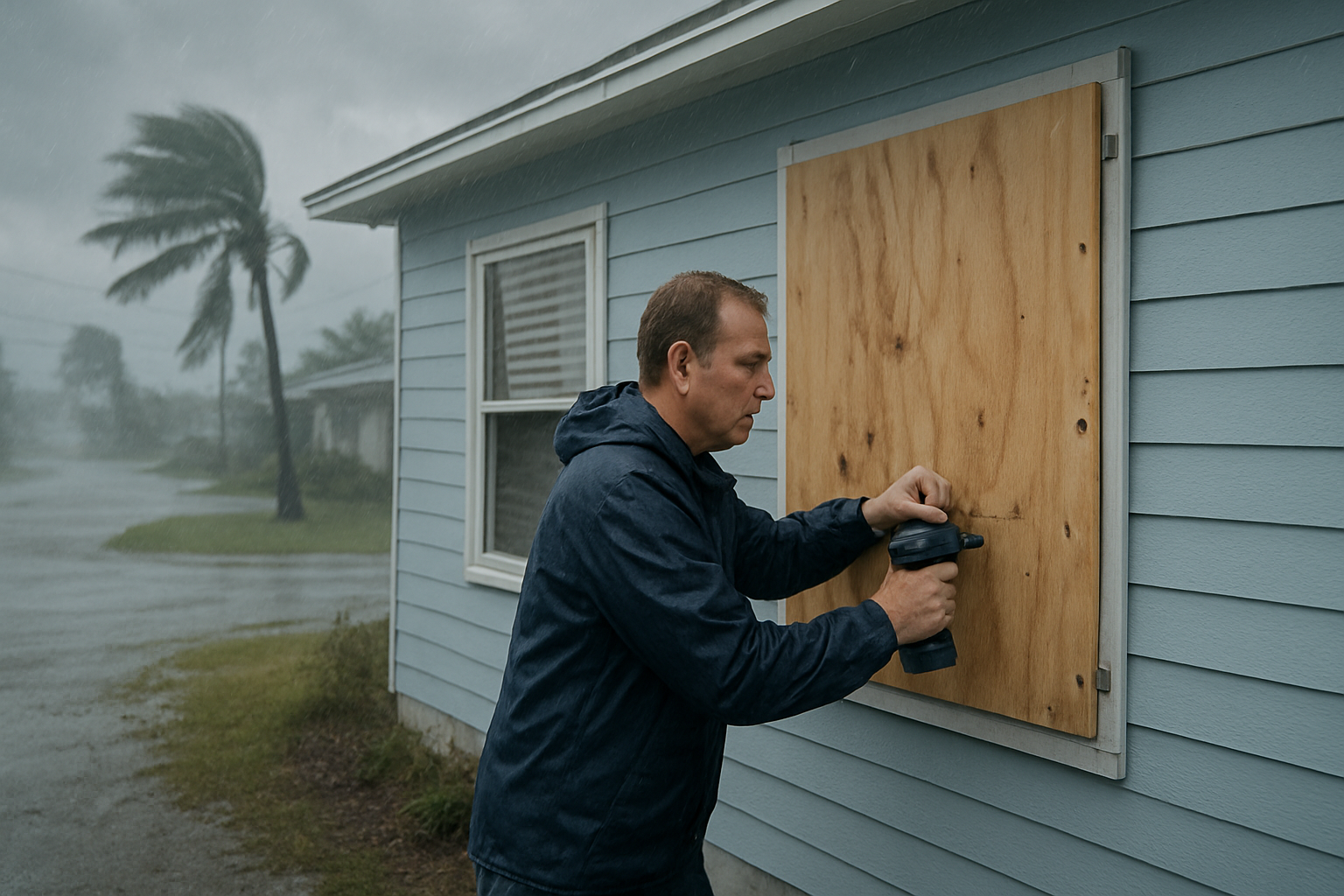
A cost-effective option, plywood can be custom-cut to fit over windows and secured in place with screws or bolts. Ensure the plywood is at least 5/8 inches thick for adequate protection. This method is practical in the absence of more permanent solutions and can be quickly deployed before an impending storm.
Installing Storm Shutters: A Step-by-Step Guide
To effectively install storm shutters, careful planning and precise measurements are required. Follow these steps:
- Measure Your Windows: Accurately measure the width and height of each window you intend to protect. Make sure to record these measurements accurately for custom fitting.
- Select the Right Shutters: Choose shutters that best fit your budget and aesthetic preferences while ensuring they meet local building codes for hurricane resistance. Consult professionals if unsure about local requirements.
- Install Mounting Hardware: Secure the mounting tracks or hinges around the window frame, following the manufacturer’s instructions. Ensure all fastenings are tight to avoid any structural weaknesses.
- Attach the Shutters: Affix the shutters to the mounting hardware, ensuring they are fastened tightly and can be easily deployed. Test the shutters to verify their operational efficiency before a storm.
How to Apply Window Films for Added Safety
Applying window films is less labor-intensive and might be a suitable option for homeowners seeking additional protection without permanent fixtures. Here’s how to do it:
- Clean the Windows: Thoroughly wash the glass and frames to ensure the film adheres properly. Use a non-abrasive cleaning solution to avoid leaving residues.
- Measure and Cut the Film: Measure the window and cut the film slightly larger than the glass area. This accounts for any trimming required during application.
- Apply the Film: Use a spray bottle to dampen the glass, then peel the backing from the film and carefully apply it to the window. Smooth out air bubbles with a squeegee to ensure a clean finish.
- Trim Excess Film: Once applied, use a sharp blade to trim any excess film from the edges. Be careful to avoid cutting too close to the glass edge.
Best Materials for DIY Window Protection
When using plywood for window protection, choose wood that is at least 5/8 inches thick to provide adequate resilience against flying debris. It is essential to cut the plywood to fit snugly over the window frame. Always verify that the materials used conform to local hurricane safety standards to ensure maximum protection.
Cost-Effective Methods for Window Reinforcement
While it might be tempting to invest in permanent and professionally installed solutions, there are less expensive alternatives. Using plywood and properly applied window films can offer substantial protection without high costs. Consider investing in reusable storm panels if your budget allows, as these offer a middle ground between temporary and permanent solutions.
Preparing for the Storm: Additional Tips
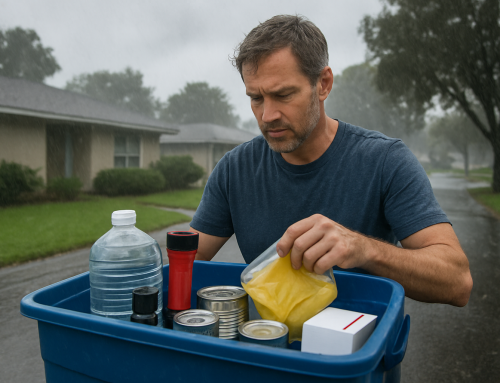
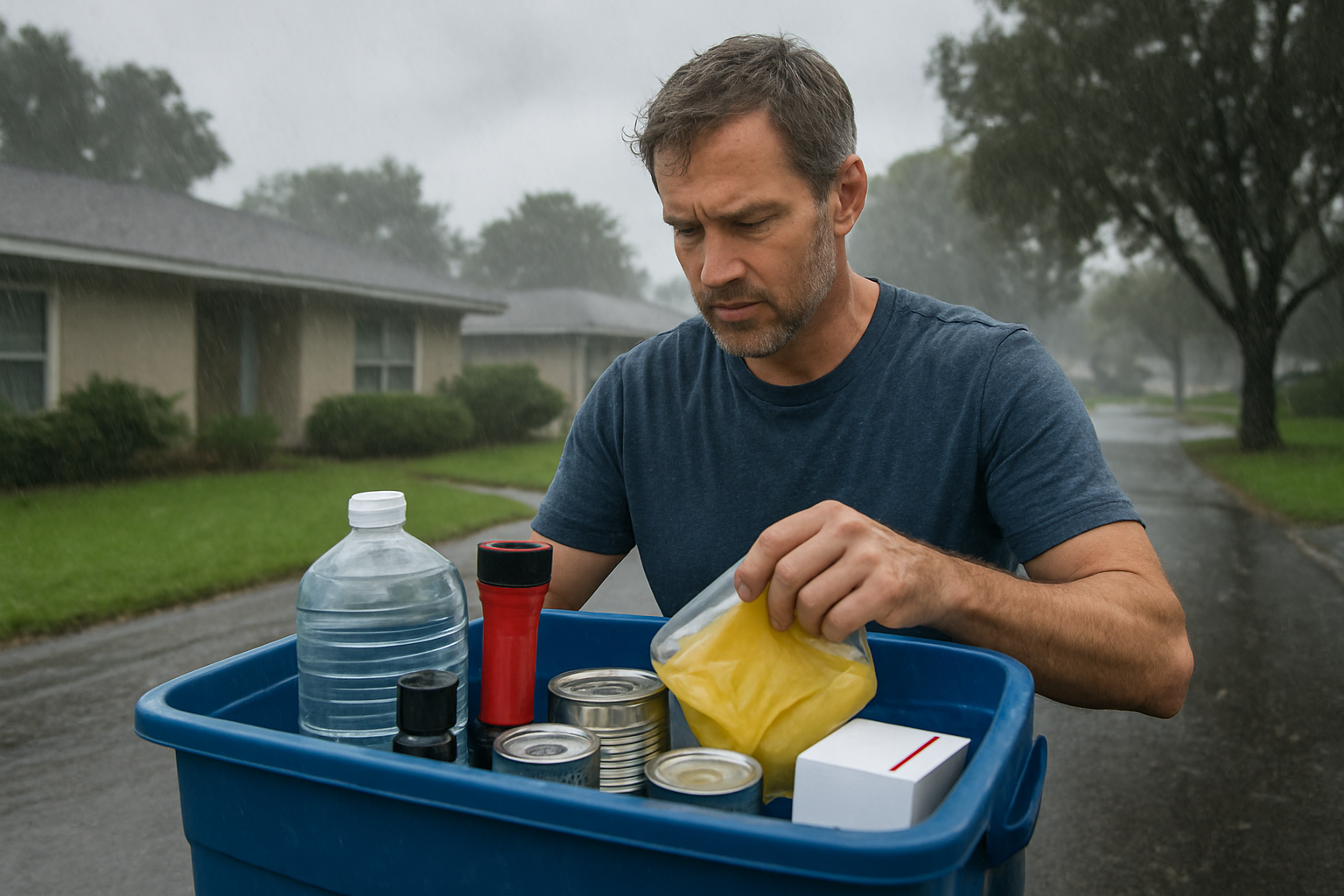
- Emergency Kit: Ensure your emergency kit is stocked with essentials such as food, water, medications, and flashlight batteries to last at least 72 hours.
- Charge Electronics: Keep all your mobile devices and backup batteries fully charged well in advance of the storm.
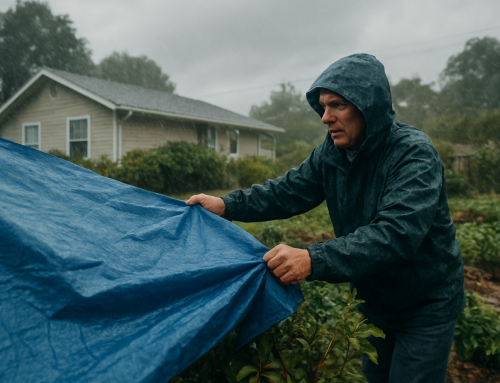
- Secure Outdoor Items: Bring lightweight objects such as patio furniture and grills inside to prevent them from becoming projectiles.
- Vehicle Readiness: Ensure your vehicle has a full tank of gas and is parked in a safe location.
- Communication Plan: Establish a contact strategy with family members to stay in touch during and after the storm.
Tips for Maintaining Window Protection Systems
Regular maintenance ensures your window protection systems remain effective. Here are some tips:
- Inspect shutters regularly for signs of wear or rust, especially after severe weather events. Regular lubrication can prevent sticking or faulty operations.
- Ensure that window film is intact and free from bubbling or peeling. Replace if significant deterioration is observed.
- Store any removable protections like storm panels or plywood in a dry, safe place, ensuring they are ready for future use.
Be Prepared
For comprehensive preparedness, check out our Hurricane Prep Checklist. Hurricane Prep Checklist
Final Thoughts
Investing time and resources in protecting your windows is essential for minimizing damage during hurricanes. While no solution can guarantee complete safety, implementing these protective measures can significantly bolster your home’s defenses against severe weather. Regularly reviewing and updating your protection strategies will help ensure preparedness for future storm seasons.
For a comprehensive hurricane preparation approach, consider downloading our Hurricane Prep Checklist.