Protecting Your Home from Hurricane Damage
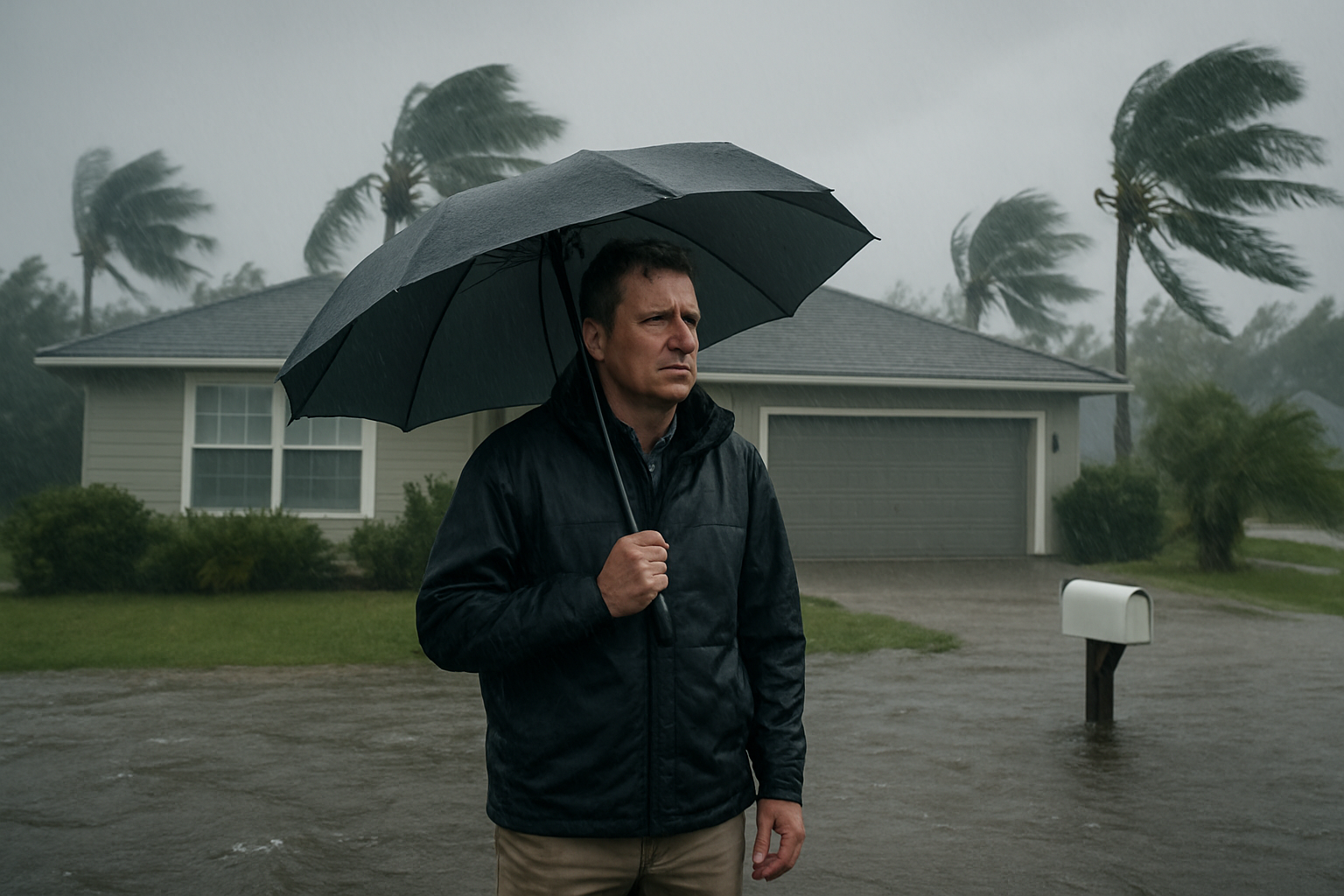
Hurricanes can pose a significant threat to your home, causing extensive damage through strong winds, heavy rain, and flooding. By taking proactive measures, you can mitigate these risks and safeguard your property. This guide provides essential tips to strengthen your home against hurricane impacts, ensuring your family’s safety and reducing potential damage.
Importance of Securing Doors and Windows with Storm Shutters
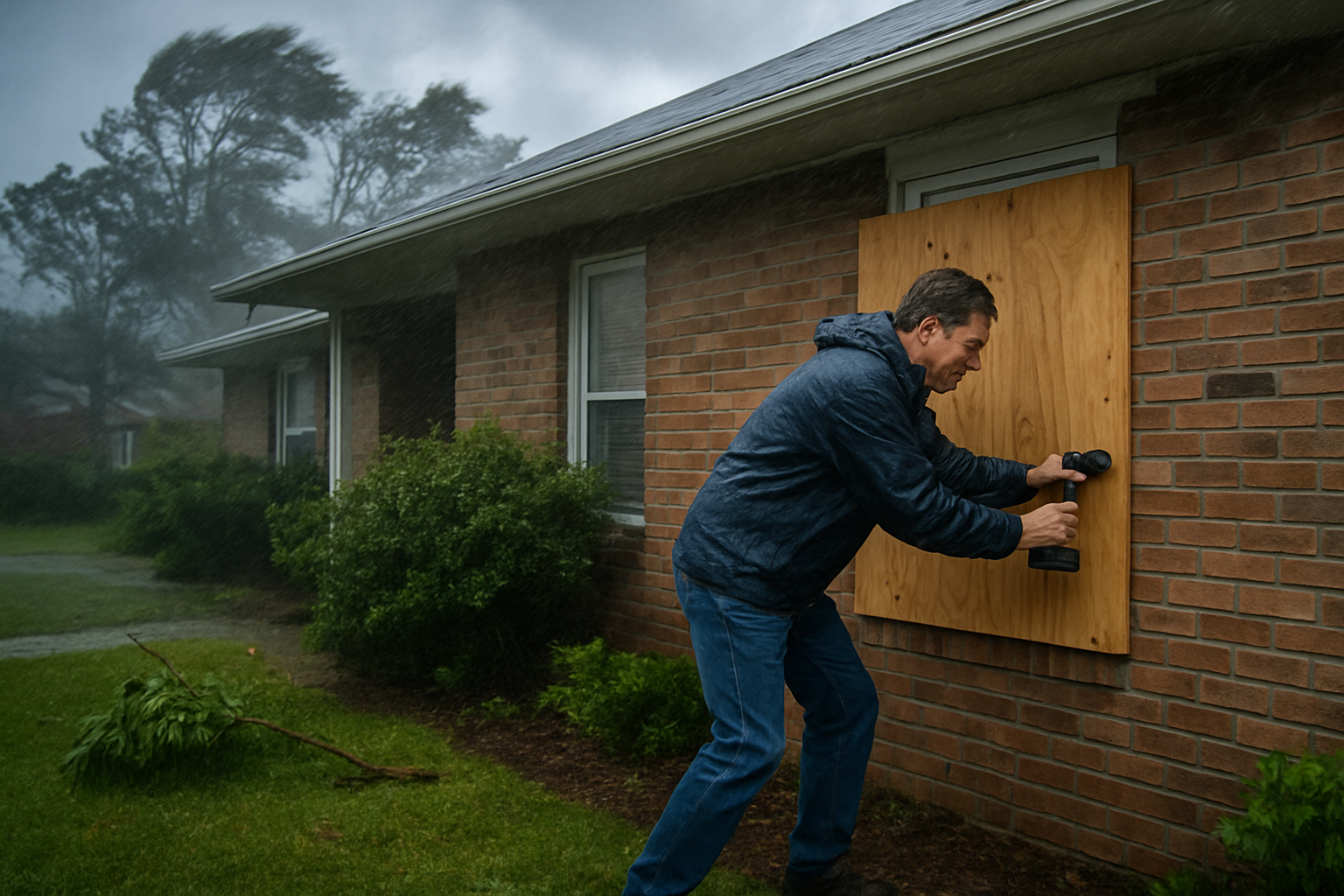
Doors and windows are vulnerable points during a hurricane. Installing storm shutters offers robust protection against wind-borne debris and can prevent breakages. Consider these options:
- Install Permanent Storm Shutters: These are the most reliable type and can be easily deployed when needed.
- Use Temporary Plywood Panels: As a cost-effective alternative, ensure panels are properly cut and installed to cover the entire window frame.
Additionally, ensure all windows and doors are properly sealed and inspect for existing damage that may be exacerbated by high winds.
Reinforcing Your Roof to Withstand High Winds
Your roof should be capable of enduring high winds. Reinforcements can prevent costly damage:
- Use Hurricane Straps: These metal connectors secure the roof to the walls, providing added support.
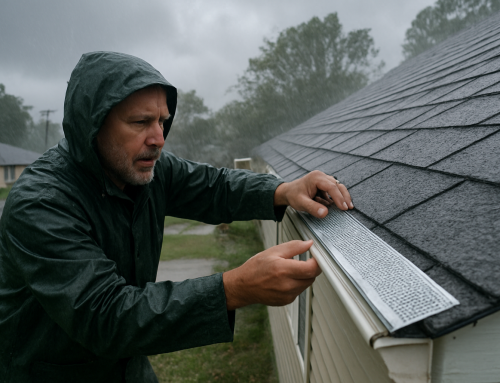
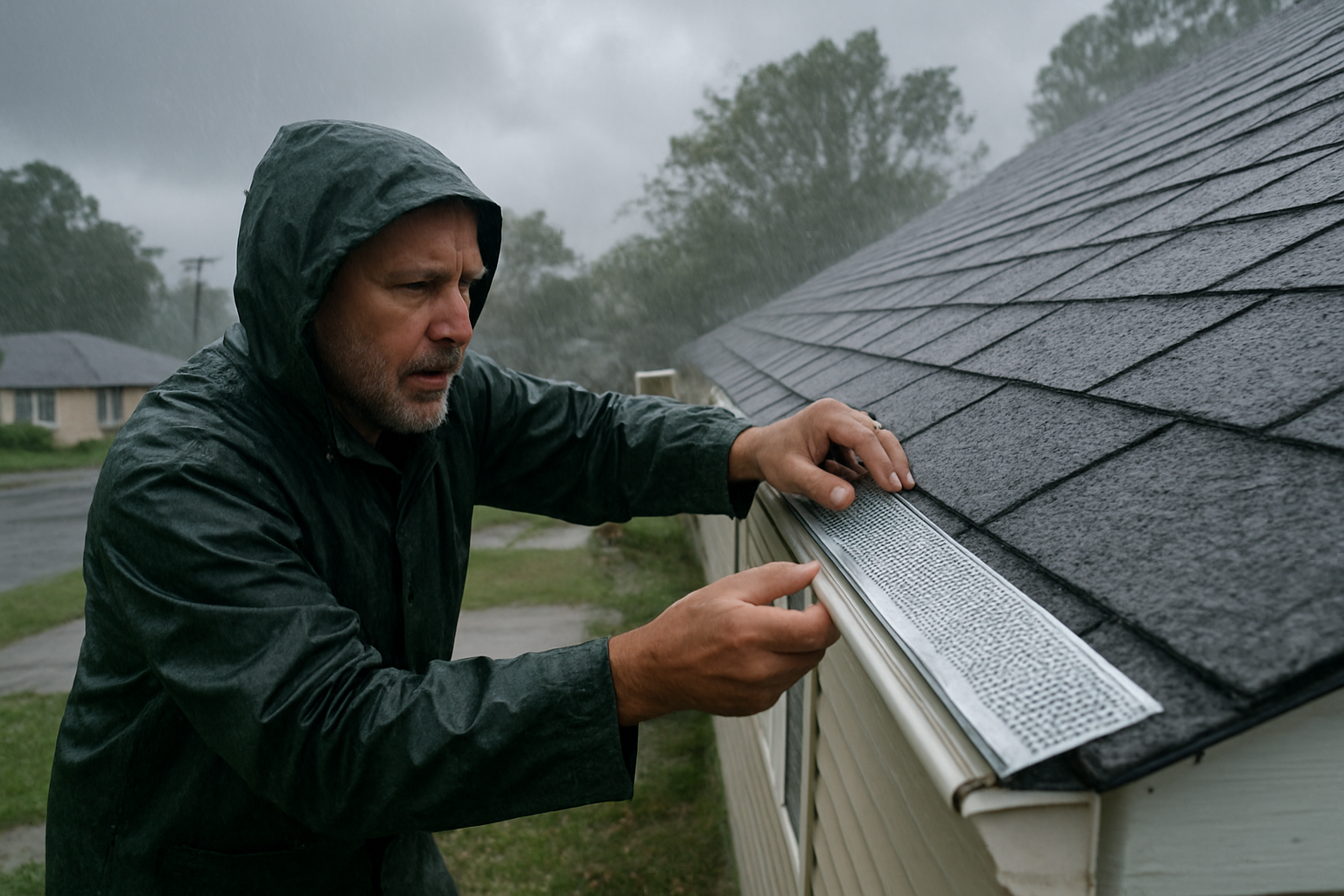
- Inspect and Repair Loose Shingles: Regular maintenance can prevent shingles from being torn away.
- Install a Secondary Water Barrier: To reduce the chance of leaks, a self-adhering membrane can be applied under the roof covering.
Consider consulting a professional roofing contractor for an inspection to ensure all components are securely fastened.
Trimming Trees and Securing Outdoor Furniture and Equipment
Loose or overhanging branches can turn into projectiles. Consider these steps:
- Trim and Prune Trees: Remove dead or weak branches and thin the canopy to reduce wind resistance.
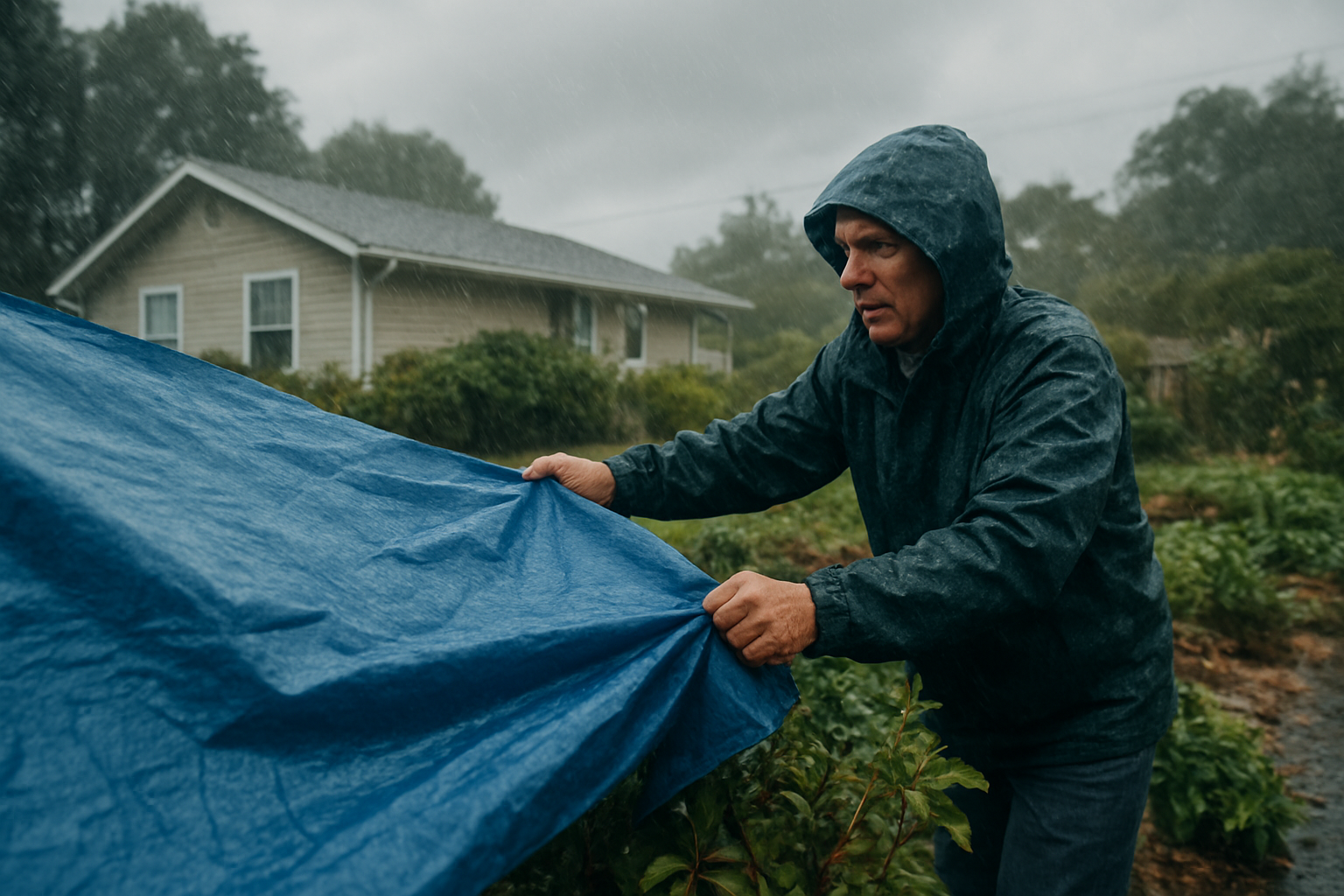
- Secure Loose Items: Anchor or store lawn furniture, grills, and other outdoor items that could be tossed around by winds.
Regular tree maintenance not only helps reduce damage but also promotes healthier tree growth.
Flood-Proofing Your Home to Prevent Water Damage
Flooding can cause substantial damage. Flood-proofing measures can help:
- Install a Sump Pump: This helps to remove excess water from your basement.
- Seal Cracks and Openings: Use sealants around windows, doors, and the foundation to prevent water entry.
- Elevate Utilities: Consider elevating HVAC units, electrical panels, and other critical utilities above potential flood levels.
Regular maintenance and inspections can help identify and rectify vulnerabilities.
Creating a Detailed Home Emergency Plan
A well-prepared emergency plan ensures that all family members know what to do during a hurricane:
- Designate a Safe Room: Identify a secure area within your home where everyone can take shelter.
- Discuss Evacuation Routes: Plan routes and ensure all family members are familiar with them.
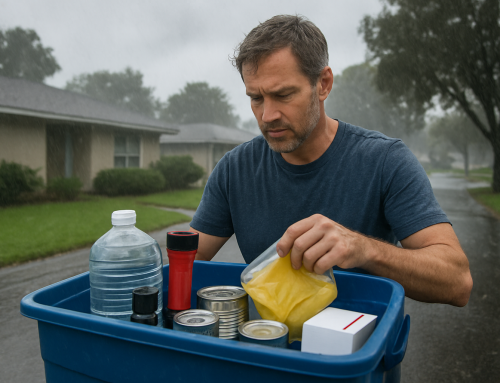
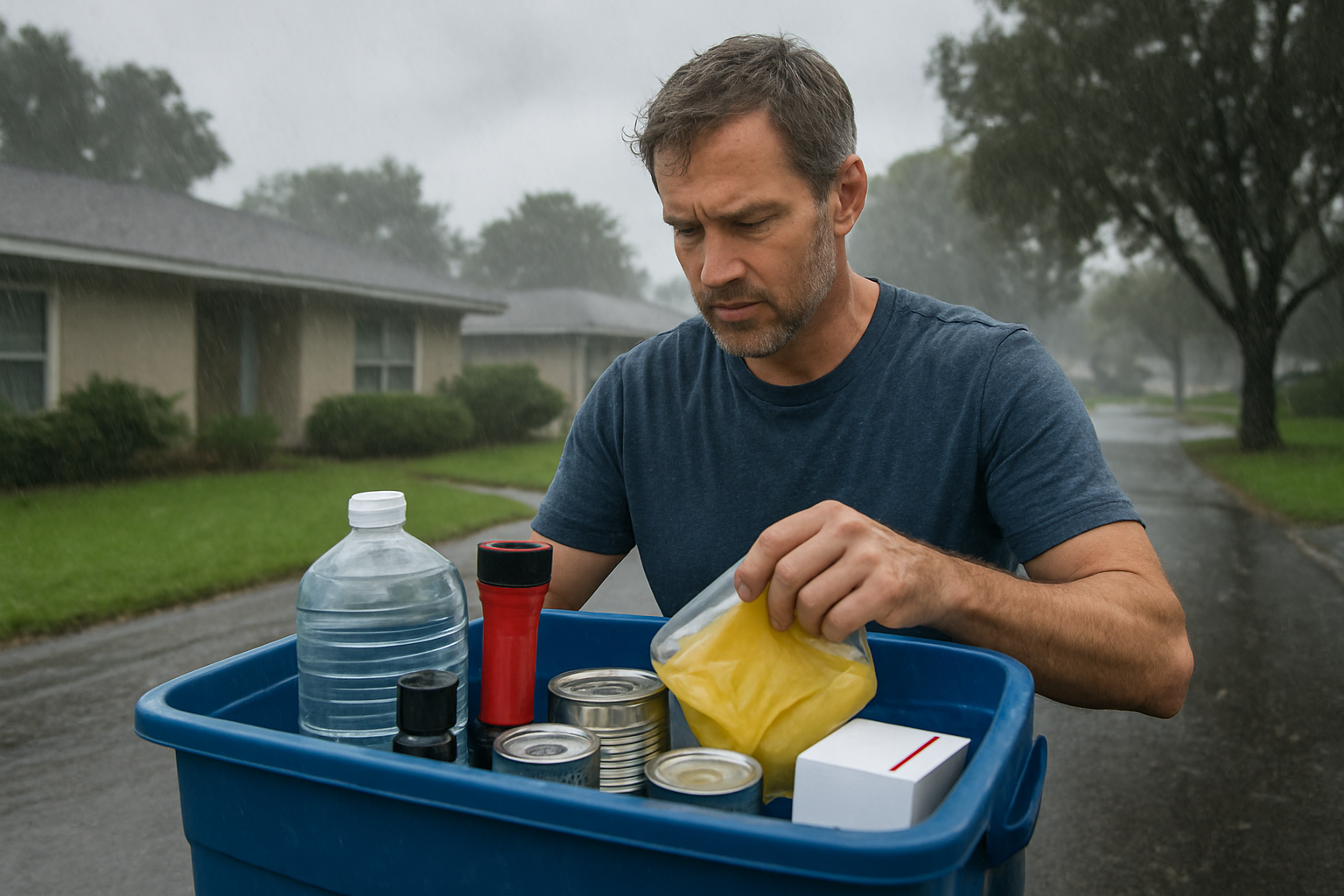
- Prepare an Emergency Kit: Include essentials such as water, non-perishable food, medications, and important documents.
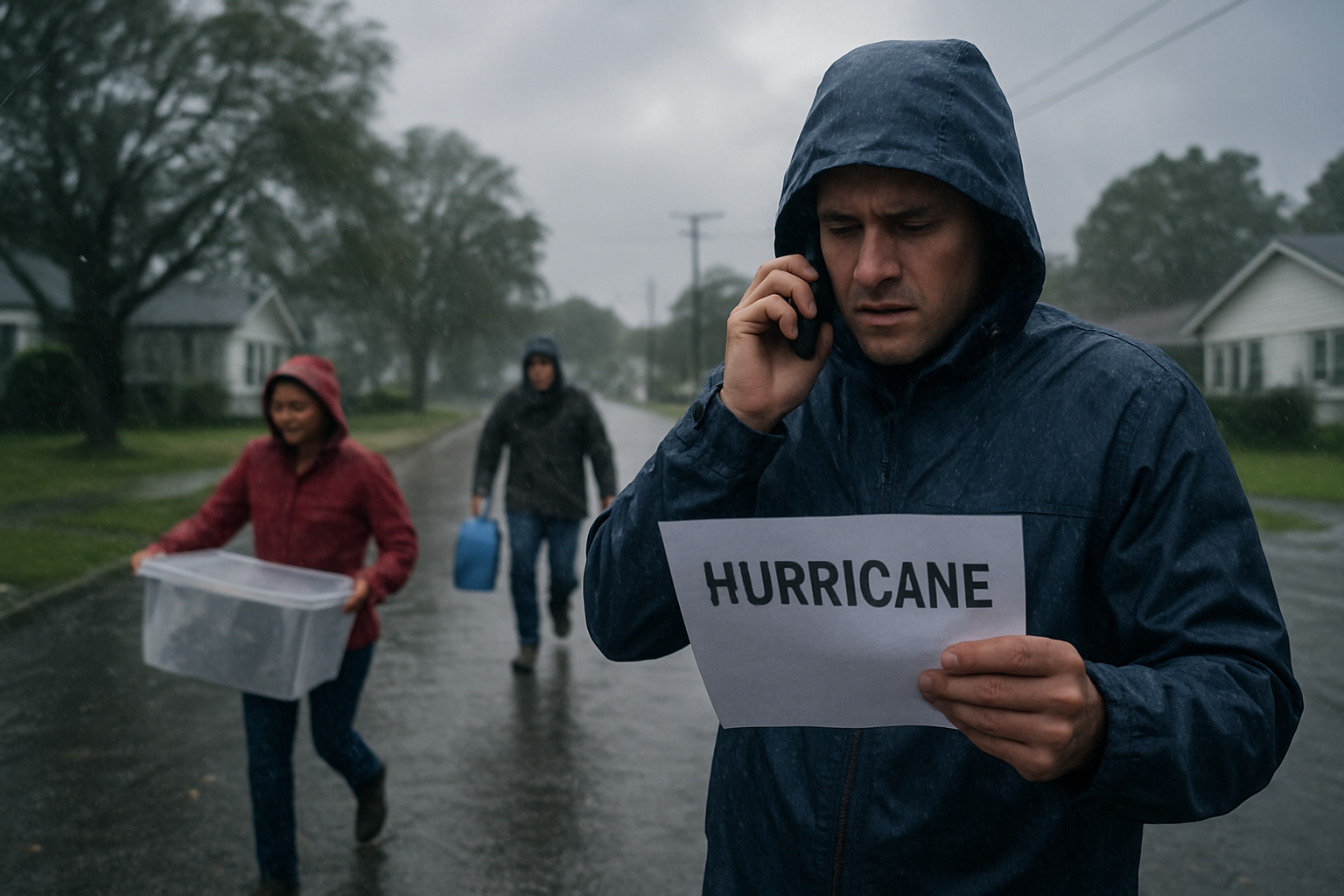
- Establish Communication Protocols: Determine how you will check in with family members during an emergency.
Revisit and update your emergency plan regularly to ensure it meets your current needs.
Evaluating Insurance Coverage for Hurricane Damage
Understanding your insurance policy can help ensure you’re financially protected:
- Review Your Policy: Make sure it covers wind, water, and flood damage.
- Document Your Belongings: Maintain a current inventory of valuable items for potential claims.
- Understand Deductibles: Be aware of the deductibles you may need to cover in the event of a claim.
Contact your insurance agent to clarify any uncertainties about coverage specifics.
Utilizing Sandbags and Other Barriers to Manage Water Flow
Strategically placed barriers can redirect water away from your home:
- Use Sandbags Effectively: Place them around doors, basements, and low-lying entry points.
- Consider Flood Barriers: These can be more durable alternatives to sandbags and are reusable.
- Direct Downspouts Away from the Foundation: Ensure that rainwater is directed away to prevent basement flooding.
Frequent checks and maintenance of these barriers ensure they are effective during heavy rainfalls.
Ensuring Safe Storage of Hazardous Materials
Safely storing hazardous materials can prevent spills and contamination:
- Secure Storage Areas: Ensure chemicals, fuel, pesticides, and other hazardous materials are stored securely and out of flood-prone areas.
- Label and Organize: Clearly label all containers and keep an inventory of what is stored.
- Develop a Spill Response Plan: Know how to handle any spills that may occur.
Review storage safety protocols with family members to prevent accidental exposure or spills.
Be Prepared
Ensure you’re fully prepared for the season ahead by reviewing the Hurricane Prep Checklist. This resource provides essential tips on emergency supplies, storm readiness, and safety measures to keep you and your loved ones protected during a hurricane. Hurricane Prep Checklist
Final Thoughts
Protecting your home from hurricane damage requires careful planning and proactive measures. By securing your home’s structure, managing water flow, and preparing an emergency plan, you can significantly reduce risks and keep your family safe. Review these strategies regularly and make adjustments as necessary to stay prepared for any future hurricane events.
Download our Hurricane Prep Checklist for a comprehensive list of actions to stay prepared.