Top 10 Hurricane Myths Debunked: What You Really Need to Know
When it comes to hurricanes, understanding the facts is essential for effective preparation and safety. Unfortunately, several myths surround these powerful storms, potentially leading to dangerous decisions. Here, we debunk ten common hurricane myths to help you stay informed and ready.
1. Hurricanes and Wind Speed: Understanding What a ‘Category’ Means
Many people believe that a hurricane’s category, from 1 to 5, indicates the overall severity of the storm. In reality, these categories only measure wind speed, not the potential for rainfall or flooding. Even lower category storms can cause significant damage, especially through flooding.
2. The Myth of Taping Windows for Protection
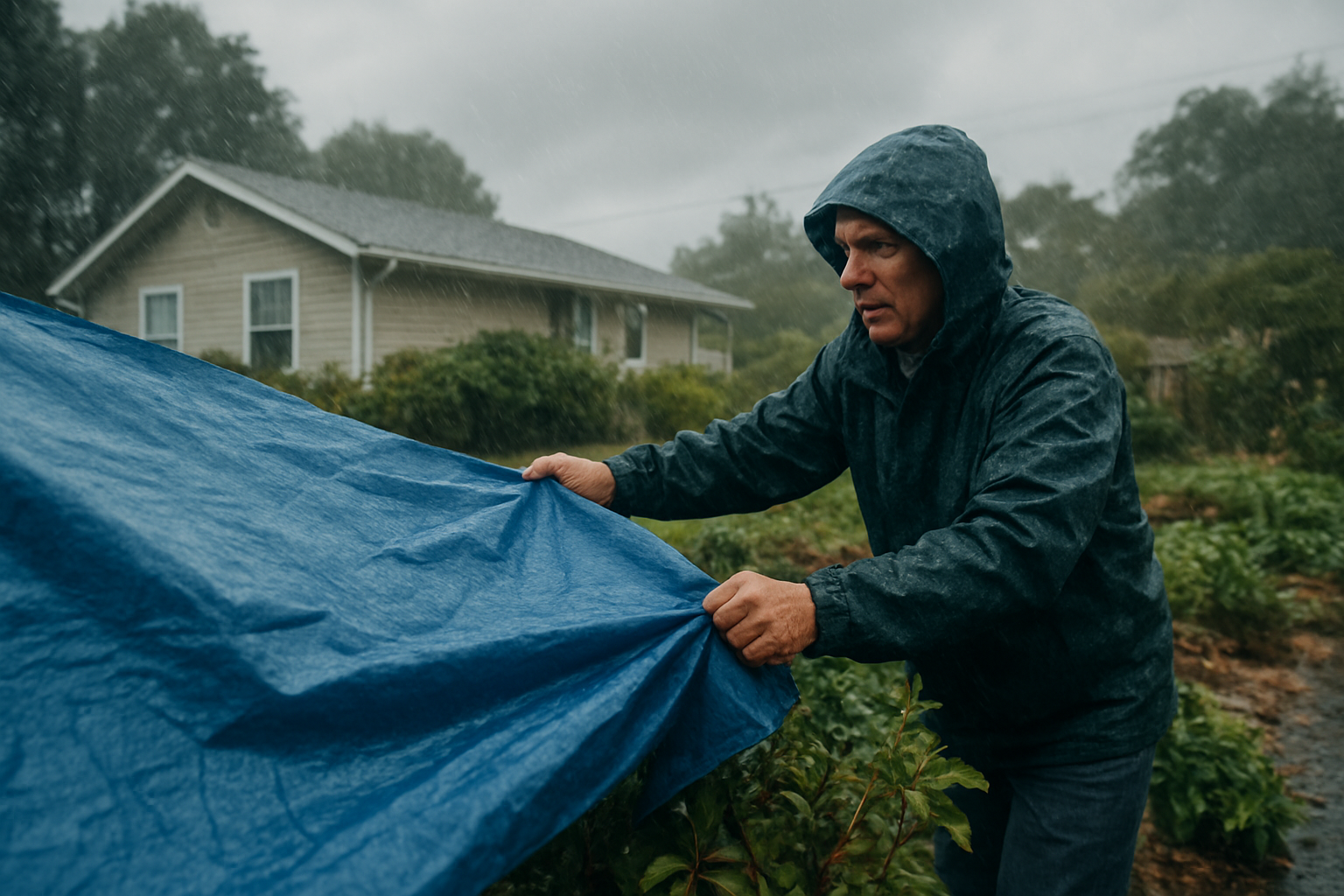
Taping windows is often thought to prevent them from shattering, but this practice offers no real protection. Storm shutters or impact-resistant windows are far more effective and safe ways to protect against high winds and debris.
3. Understanding the Limitations of Evacuation Orders
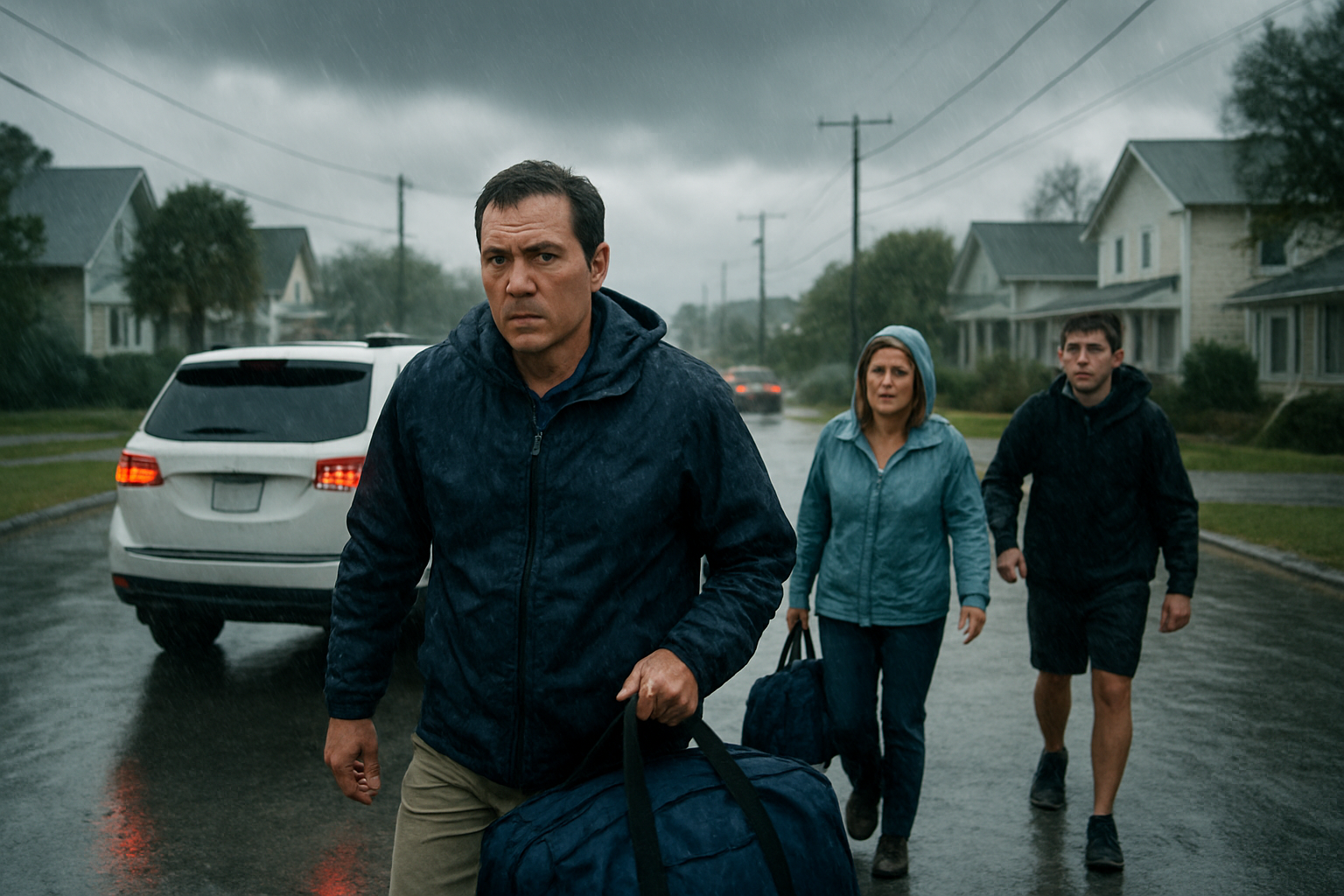
Some people believe that evacuation orders are often exaggerated. However, these directives are issued by experts to protect lives. It’s critical to follow them, as delaying evacuation can put you and emergency responders at risk.
4. Debunking the Idea That Only Coastal Areas Are at Risk
While coastal areas are certainly vulnerable, hurricanes can also cause significant inland damage due to flooding and tornadoes. Everyone in a hurricane’s path should take precautions, regardless of distance from the coast.
5. Preparedness Goes Beyond Buying Supplies – It’s About Planning
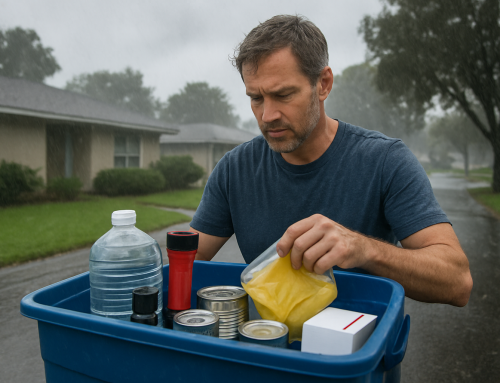
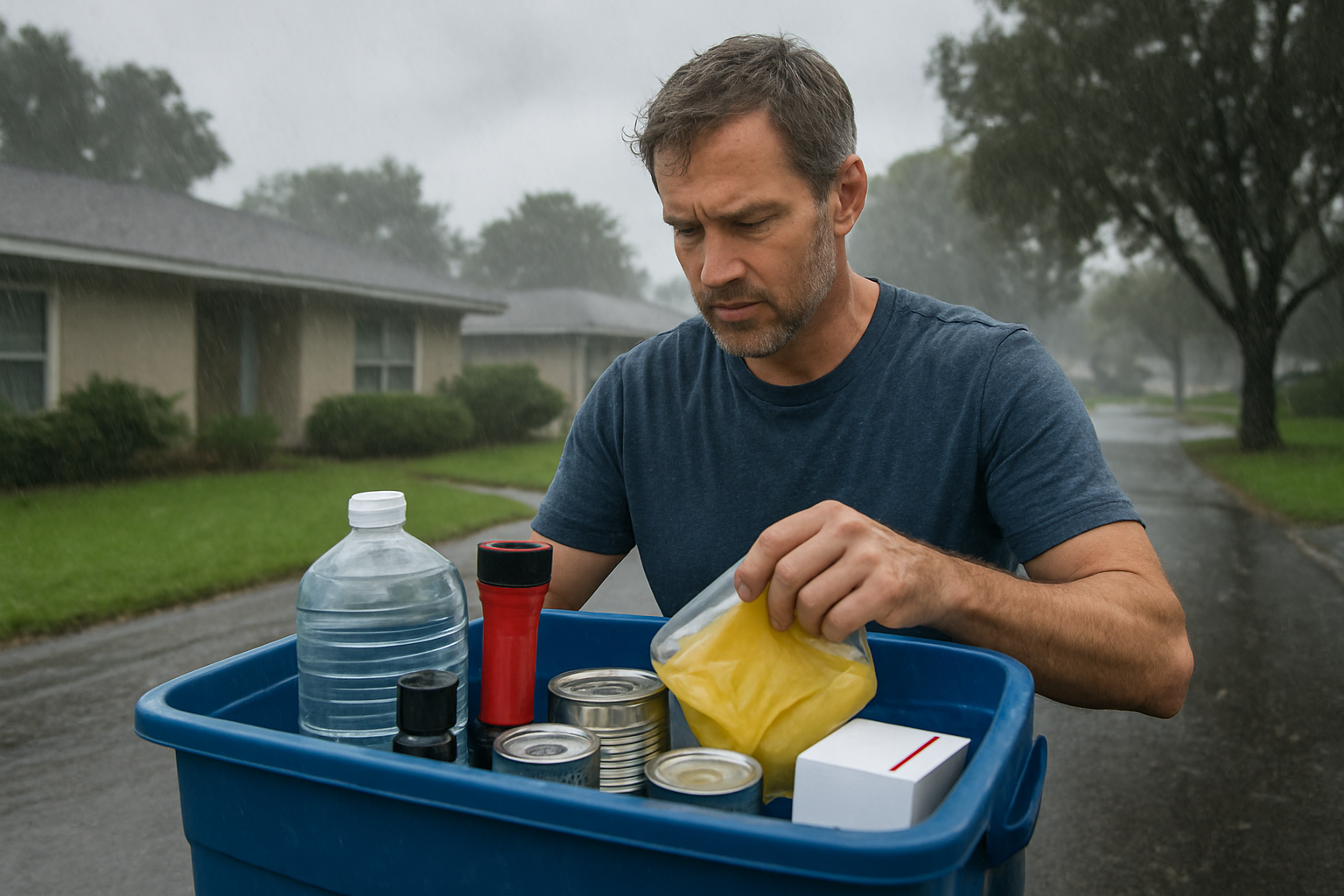
Stocking up on essentials is important, but true preparedness involves creating a comprehensive plan. This includes having an evacuation route, communication plans, and understanding how to secure your home.
6. Clarifying Misconceptions About Safe Rooms and Basements
Safe rooms are specially designed to withstand hurricane forces, unlike standard basements, which might flood or collapse. Ensure your shelter is appropriately protected and accessible.
7. Power Outages Are More Than Just Minor Inconveniences
Losing power during a hurricane can last for days or even weeks, affecting access to essential services and communications. Having backup power sources, like generators, and knowing how to store and prepare food safely without power, is critical.
8. Why the ‘Eye of the Storm’ Isn’t Safe at All
The calm in the eye of the hurricane can be deceptive. It’s important not to leave shelters until authorities confirm it’s safe, as the storm’s other side can arrive suddenly with full force.
9. Facts About Storm Surge and Flood Risk Areas
Storm surge is one of the most life-threatening aspects of hurricanes and can affect areas far from the immediate coast. Knowing whether you live in a flood-prone area and having a flood emergency plan is crucial.
10. The Role of Insurance in Hurricane Recovery
Many people assume their homeowner’s insurance covers hurricane-related damages. However, flood damage typically requires separate flood insurance. Reviewing and understanding your coverage before hurricane season is vital for financial recovery.
Be Prepared
Check out our comprehensive Hurricane Prep Checklist to ensure you’re fully prepared for any storm that comes your way. Hurricane Prep Checklist
Final Thoughts
Debunking these myths is an important step toward staying safe and prepared for hurricanes. Understanding the real threats and taking proactive measures ensures that you can protect yourself, your family, and your property effectively. For a comprehensive approach, consider reviewing a Hurricane Prep Checklist to ensure all your bases are covered.