
Mastering Hurricane Evacuations: Tips for a Smooth Exit
When a hurricane threatens your area, having a well-crafted evacuation plan can make all the difference. Proper preparation allows you to evacuate safely and can significantly reduce stress during such events. This guide outlines everything you need to execute a smooth and effective hurricane evacuation plan.
Importance of Early Evacuation Planning
Planning your evacuation early is crucial in avoiding the chaos that often accompanies last-minute escapes. By preparing in advance, you can ensure that your family is ready to go at a moment’s notice, with all necessary provisions in place. Early planning helps you not only to determine safe evacuation routes but also to make contingency plans for any unforeseen circumstances.
Consider the following early planning actions:
- Know your zone: Familiarize yourself with local evacuation zones and routes. Many regions provide detailed maps and specific zones that will be more vulnerable to the storm’s impact.
- Set a plan: Discuss evacuation steps with your family and practice your plan periodically. This includes conducting drills and ensuring everyone, including children, understands what to do.
- Stay informed: Keep up with local news and weather updates. Utilize smartphone apps and NOAA weather alerts to receive timely information.
Creating a Checklist for Necessary Items
To ensure you have everything you need, create a comprehensive checklist of essential items to bring:
- Documentation: Important papers such as IDs, insurance policies, and medical records should be gathered beforehand and kept in waterproof containers to prevent damage.
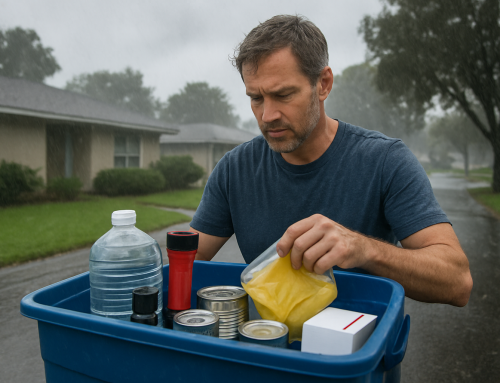
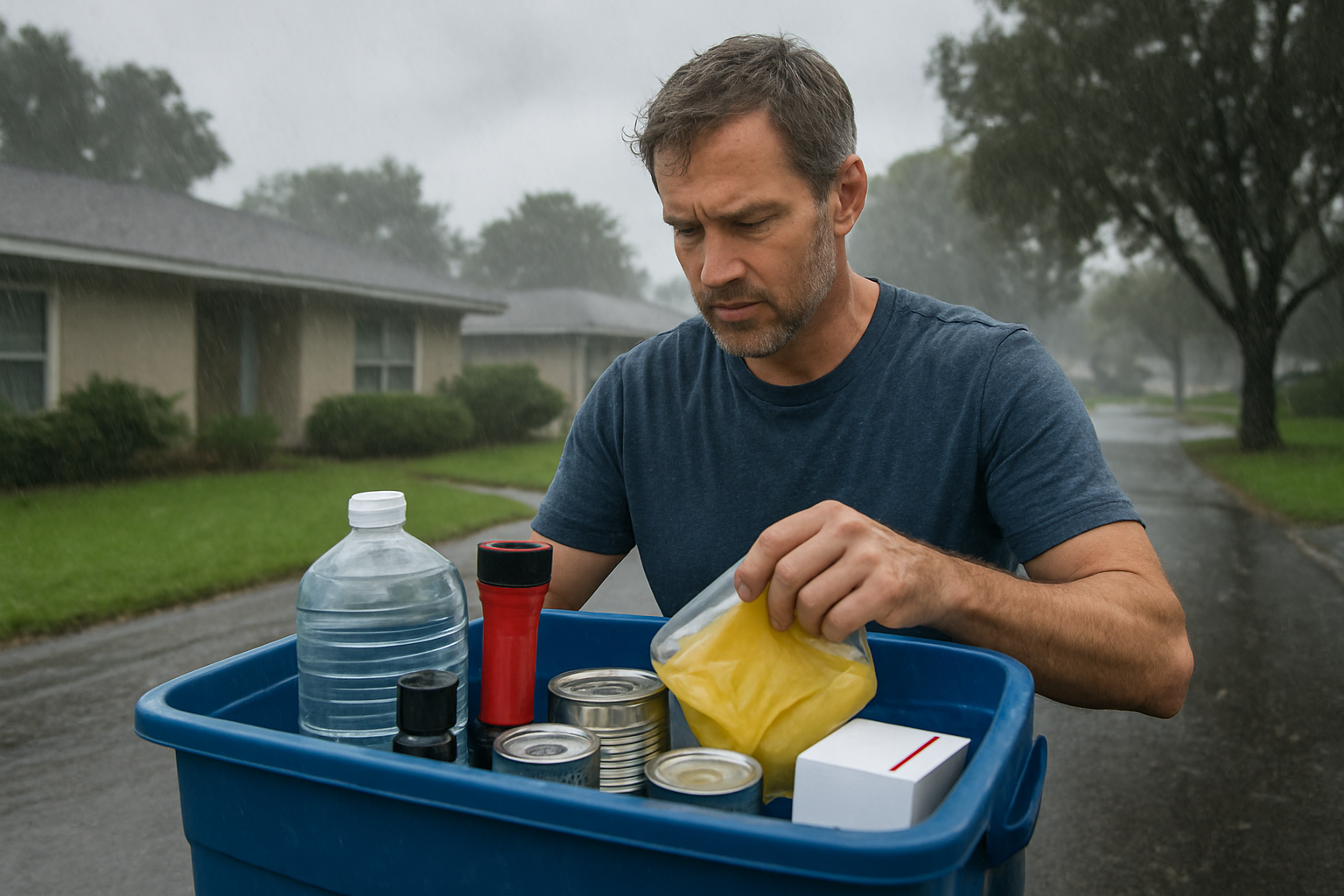
- Emergency supplies: Include water, non-perishable food, a battery-powered radio, flashlight, and extra batteries. Ensure you have enough provisions to last each family member at least 72 hours.
- Personal items: Daily medications, hygiene products, and clothing for several days are a must. Think about any special needs for infants or elderly members of your family.
- Financial essentials: Cash, credit cards, and any necessary bank information should be easily accessible. ATMs may not be functional during power outages or evacuations.
Detailed Routes and Safe Locations
Knowing the safest routes and locations to head to during an evacuation is paramount. Identify multiple routes in case one becomes impassable, and choose designated shelters known to be safe and equipped to handle evacuees. This can include local community centers or schools that are outfitted as emergency shelters.
- Pre-determined routes: Map out at least two evacuation paths. Consider potential road closures or traffic delays and plan accordingly.
- Shelter options: Research nearby shelters and their capacity. Make sure the shelters accept pets if you are evacuating with animals.
- Accommodation reservations: If possible, reserve a spot in a hotel at your destination. Confirm the reservation before you leave to avoid any last-minute complications.
Communication Strategies
Maintaining communication with family members and emergency services is vital. Develop strategies to ensure everyone stays connected:
- Cell phone chargers: Keep portable chargers and extra batteries handy. Consider solar-powered or hand-crank chargers as additional options.
- Emergency contacts: Have a list of contact numbers for family and local authorities. Share this list with all family members.
- Meeting points: Establish a designated meeting place in case of separation. Use landmarks as points of reference for easy identification.
Social media can also be a useful tool. Platforms like Facebook have crisis response tools where you can mark yourself safe during emergencies, allowing family and friends to know your status.
Essential Tips for Pet and Elderly Care
Pets and elderly family members require special considerations during an evacuation:
- Pet-friendly accommodations: Identify shelters or hotels that accept pets. Websites like BringFido can help you locate pet-friendly lodging options across various regions.
- Animal supplies: Pack food, medications, and comfort items for your pets. Ensure pets are microchipped or have ID tags with updated contact information.
- Elderly needs: Ensure you have necessary medical supplies and special equipment for elderly family members. Items like walkers, oxygen tanks, and extra medications should be on hand.
- Support networks: Coordinate with local support services for additional help if needed. Reach out to neighbors or community services beforehand to establish a network of support.
Preparing Your Home Before You Leave
Securing your home before evacuation can minimize damage and give you peace of mind:
- Secure outdoor items: Bring indoors any objects that could become projectiles in high winds.
- Protect windows and doors: Use storm shutters or plywood to prevent breakage.
- Turn off utilities: If instructed, turn off electricity, gas, and water before leaving.
- Check insurance: Ensure your home insurance policy is up to date concerning storm damage.
Post-Evacuation Safety Protocols
After the hurricane has passed, returning home requires caution to ensure safety:
- Inspecting your home: Check for structural damage, gas leaks, and electrical hazards before re-entering. Use caution with any fallen power lines or flooded areas.
- Cleaning supplies: Bring necessary cleaning materials to safely clear debris and sanitize affected areas. Consider wearing protective gear like gloves and masks to avoid contaminants.
- Official updates: Only return when authorities have declared it safe. Monitor local news channels or official emergency communication channels for the all-clear.
Additionally, keep a camera or smartphone handy to document any damage for insurance claims.
Be Prepared
Prepare for storm season with our comprehensive Hurricane Prep Checklist! Hurricane Prep Checklist
Final Thoughts
By preparing a detailed hurricane evacuation plan, you can protect yourself and your loved ones during dangerous storms. Remember that the key to a successful evacuation is early, thorough planning that considers every member of your household, including pets and elderly relatives. Stay informed, stay prepared, and prioritize safety at every step of the evacuation process.
For more detailed information, check out our Evacuation Guide.