How to Protect Your Home from Flooding During a Hurricane
Preparing your home for a hurricane involves several important steps, especially when it comes to minimizing the risk of flooding. By implementing structural and strategic measures, homeowners can significantly reduce potential flood damage. Below are key practices to help protect your home from hurricane flooding.
Importance of Flood Barriers and Their Types
Flood barriers are essential in protecting your property from rising waters. Here are some common types:
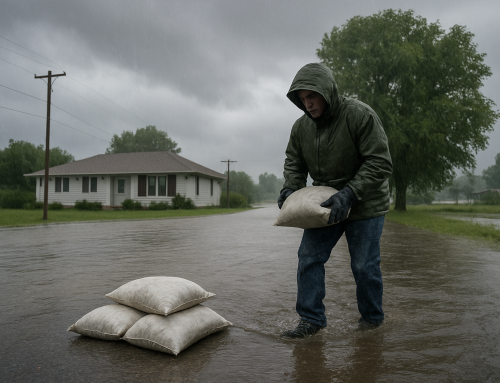
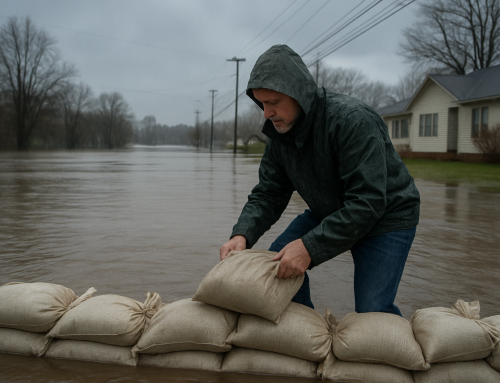
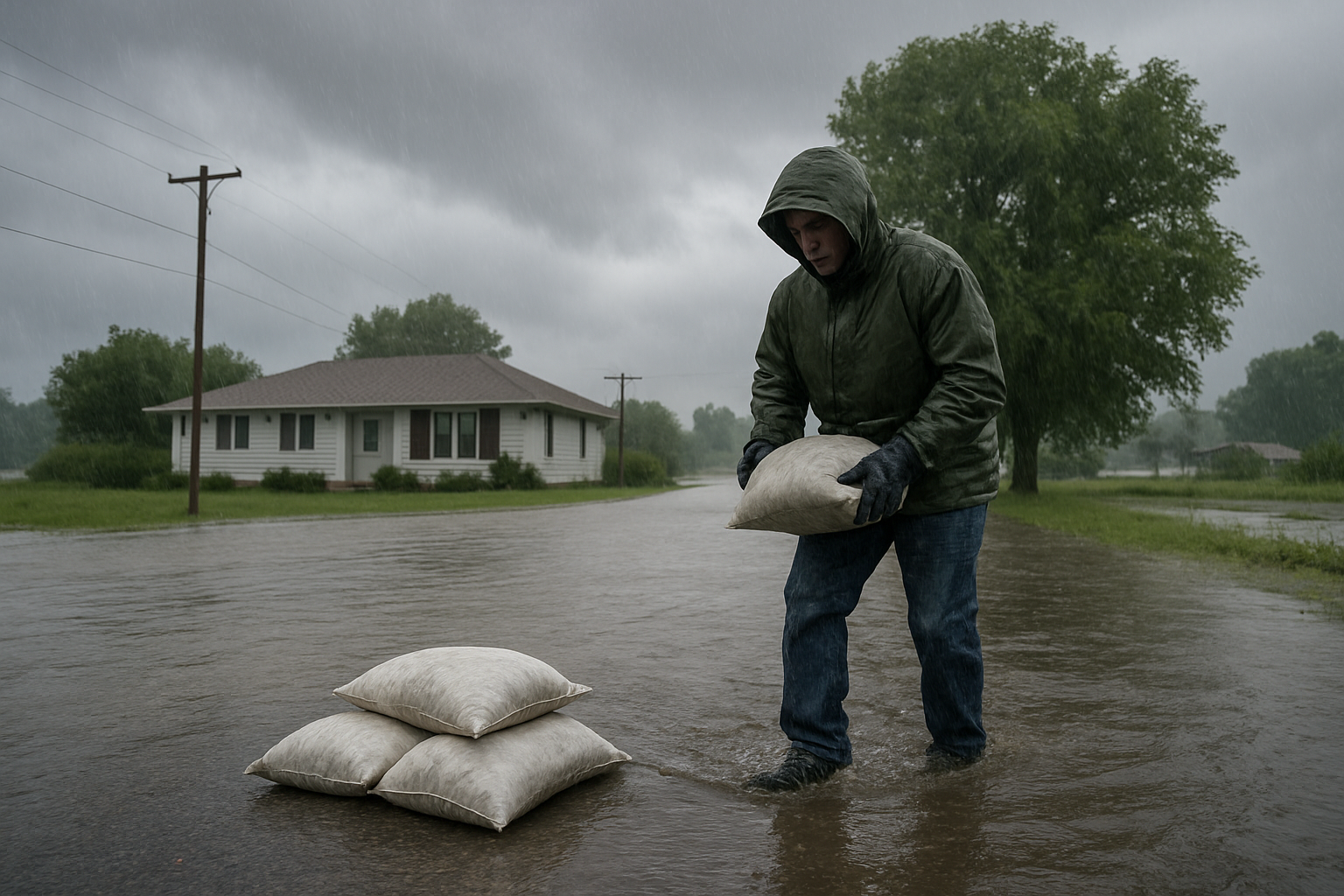
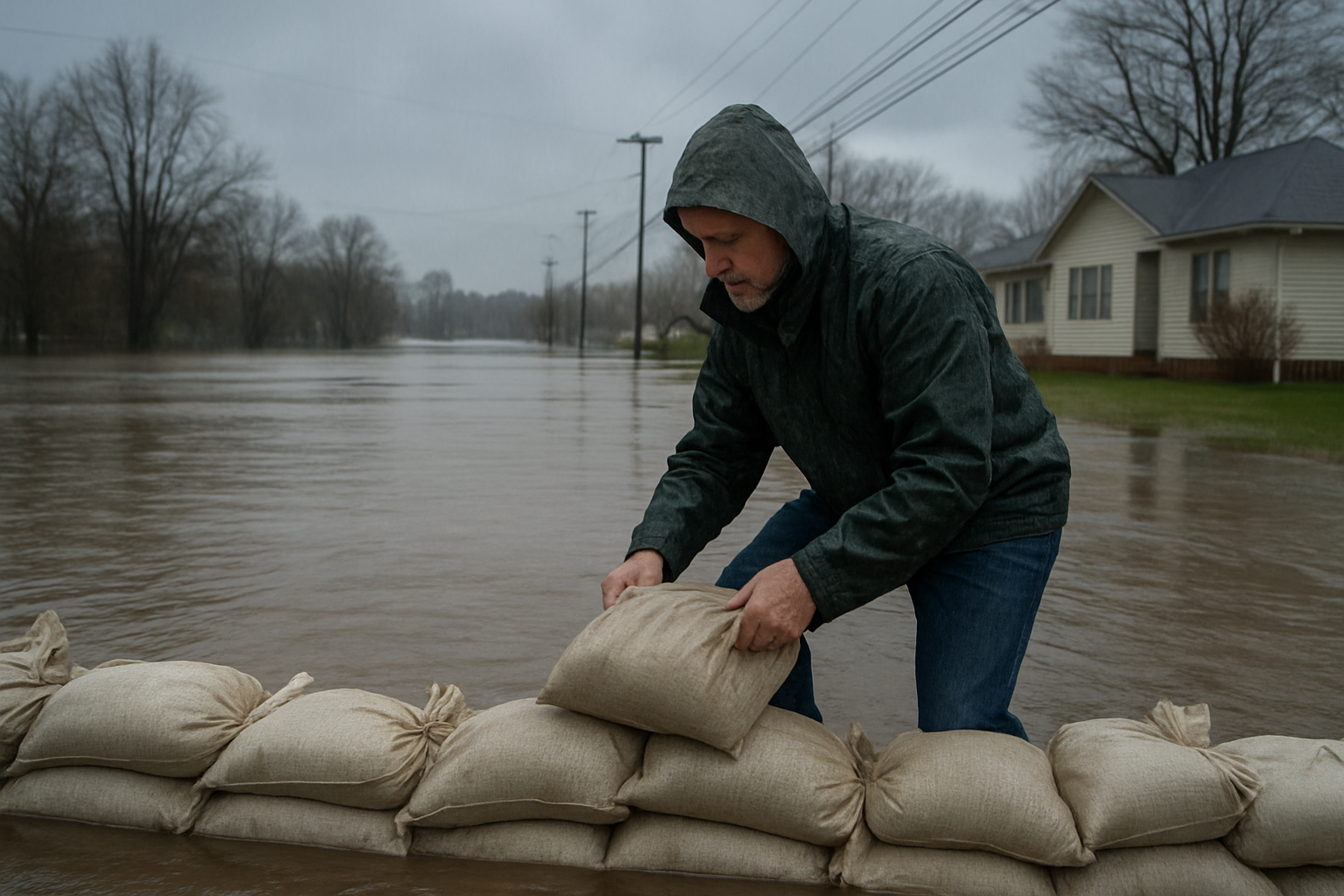
- Sandbags: A traditional and cost-effective solution, sandbags can be stacked to create barriers.
- Water-filled barriers: These are inflatable tubes that are easy to deploy and store.
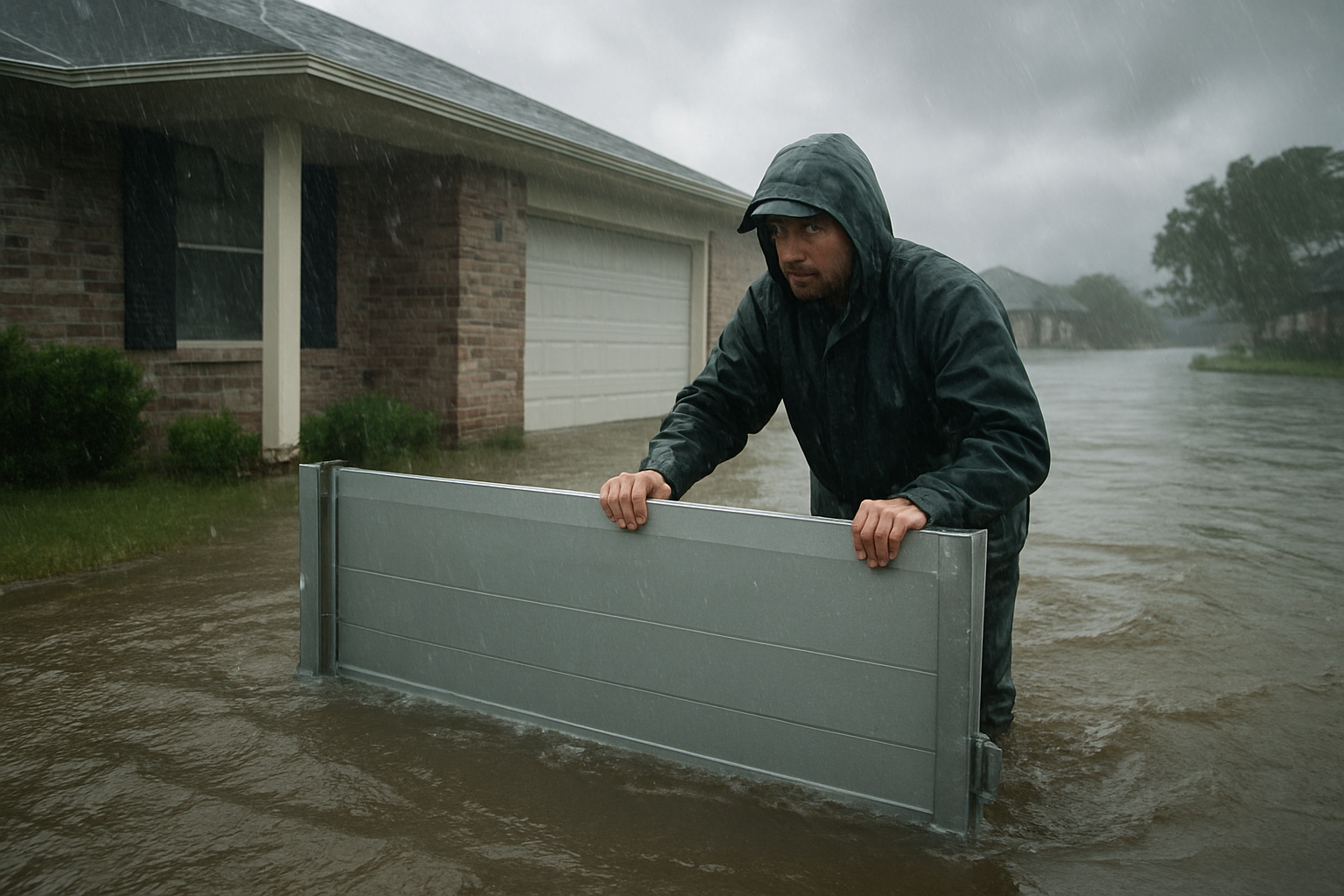
- Permanent flood walls: For homes at higher risk, installing a flood wall can provide long-term protection.
Choosing the right barrier depends on the flood risk level and your budget. These measures not only safeguard your home but also help protect essential utilities.
Enhancing Home Drainage Systems
An effective drainage system is crucial in managing excess water. Consider these improvements:
- Maintain gutters and downspouts: Regularly clean them to ensure they can effectively channel water away.
- Improve grading: Ensure the ground around your home slopes away from the foundation.
- Install French drains: These underground pipes divert water from vulnerable areas.
- Sump pump: Ensure your sump pump is functioning correctly; it can be a critical line of defense against basement flooding.
Managing Landscaping to Divert Water
Proper landscaping can aid in flood prevention:
- Use native plants: They have deep root systems that help absorb water.
- Create rain gardens: These are designed to collect and absorb runoff.
- Construct swales: Shallow channels that redirect water flow.
Installing Sump Pumps and Their Maintenance
A sump pump can protect your basement from flooding. To ensure its effectiveness:
- Regular testing: Test the pump by pouring water into the sump basin.
- Battery backup: Install a battery backup in case of power outages.
- Regular maintenance: Inspect and clean the pump and basin periodically.
Emergency Flood Response Plan
Having a clear plan is crucial for safety and efficiency:
- Evacuation routes: Know the safest routes and have a plan to reach higher ground.
- Emergency contacts: Keep a list of contact numbers for local authorities and family members.
- Supply kit: Prepare an emergency kit with water, food, batteries, and medical supplies.
- Plan for pets: Include your animals in evacuation plans and ensure you have a supply of pet food and medications.
Keeping Important Documents and Items Safe
Protect your valuables and important documents by:
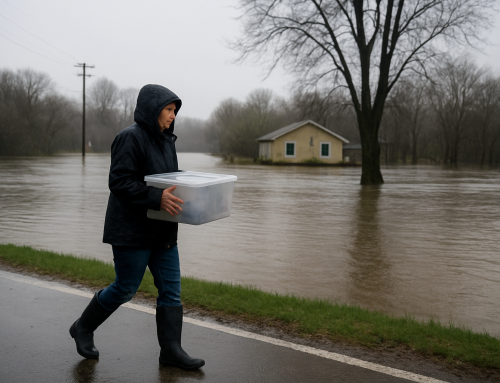
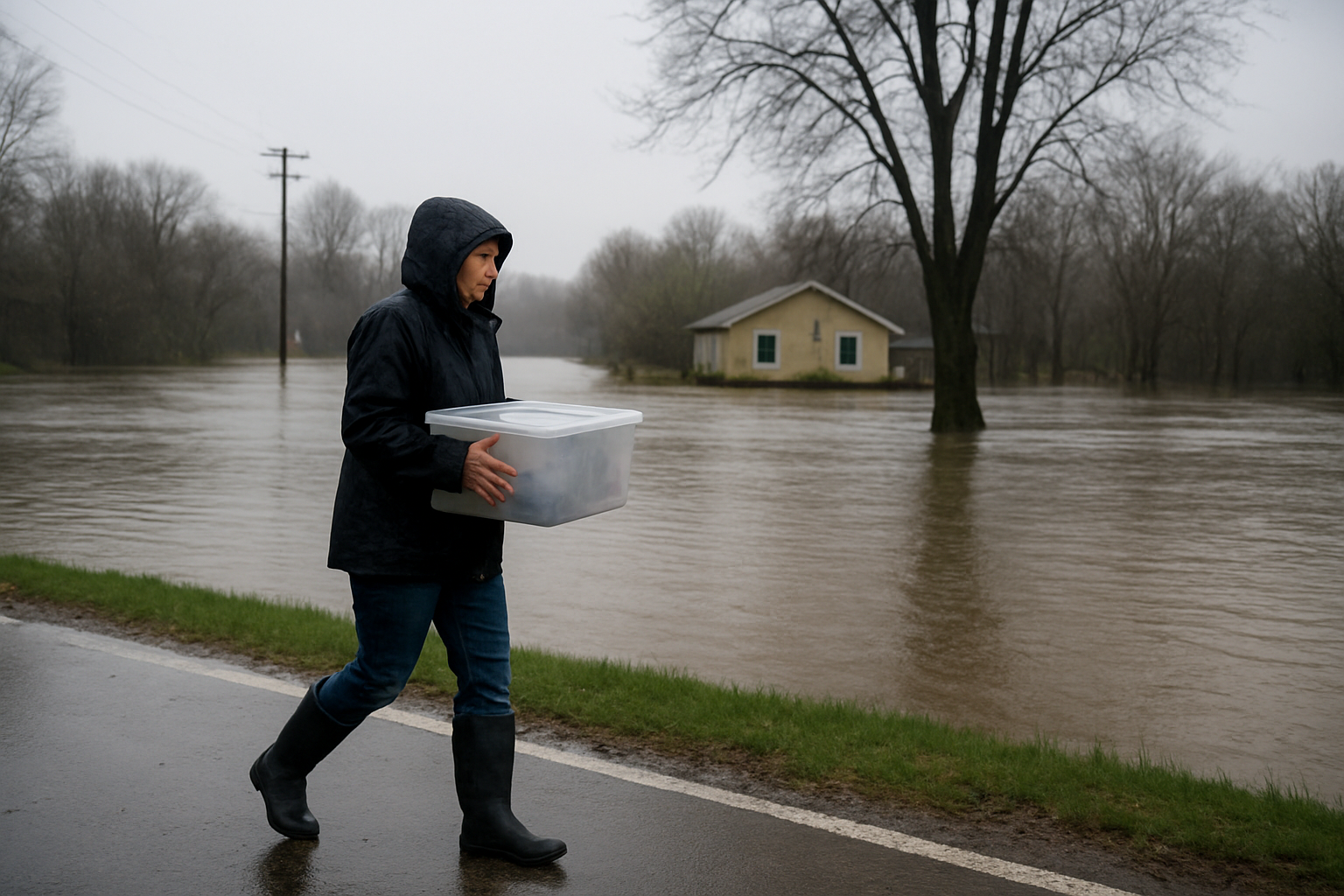
- Waterproof containers: Store documents and small valuables in waterproof containers or safes.
- Digital copies: Scan important documents and keep digital copies in the cloud.
- Backup electronics: Protect electronics with surge protectors and keep backups of important files.
Understanding Flood Insurance Policies
Flood insurance is vital for financial recovery after a flood:
- Review your policy: Ensure it covers your property adequately for flood damage.
- Understand exclusions: Know what is not covered by your insurance policy.
- Claim process: Familiarize yourself with the process to file claims efficiently post-flood.
Community Resources and Flood Alerts
Keep informed about local resources and alerts:
- Sign up for alerts: Subscribe to community flood alerts and warning systems.
- Local resources: Familiarize yourself with local shelters and support services.
- Community meetings: Attend local meetings to stay informed about community-led initiatives.
Protecting Utilities and Vehicles
Ensuring the safety of utilities and vehicles is crucial:
- Turn off electricity: Switch off utilities if a flood is imminent to prevent electrical hazards.
- Vehicle safety: Move vehicles to higher ground and away from potential flooding areas.
Generator Safety Tips
If you use a generator, follow these safety tips:
- Outdoor use: Always operate generators outside to avoid carbon monoxide poisoning.
- Dry setup: Keep the generator dry to prevent electrical shock or malfunctions.
- Proper installation: Ensure proper installation and functioning of the generator system.
Be Prepared
Make sure you’re ready for any storm by checking out our comprehensive Hurricane Prep Checklist. Hurricane Prep Checklist
Final Thoughts
Preparing your home for a hurricane involves a combination of practical measures and community awareness. By taking proactive steps to manage flood risks, homeowners can safeguard their properties and provide peace of mind. Start early and review your plans regularly to ensure that you remain prepared throughout the hurricane season.