Ohio Flash Flood Warning: Immediate Preparations Needed
The National Weather Service has issued a Flash Flood Warning for parts of southeastern Ohio, including southeastern Athens County, northeastern Gallia County, Meigs County, western Washington County, as well as north-central Mason County in West Virginia. This warning is in effect until 5:30 PM EDT.
What We Know Now
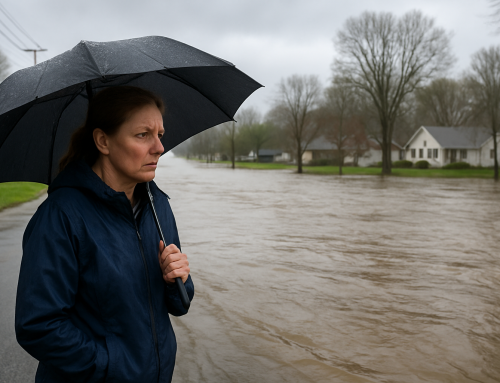
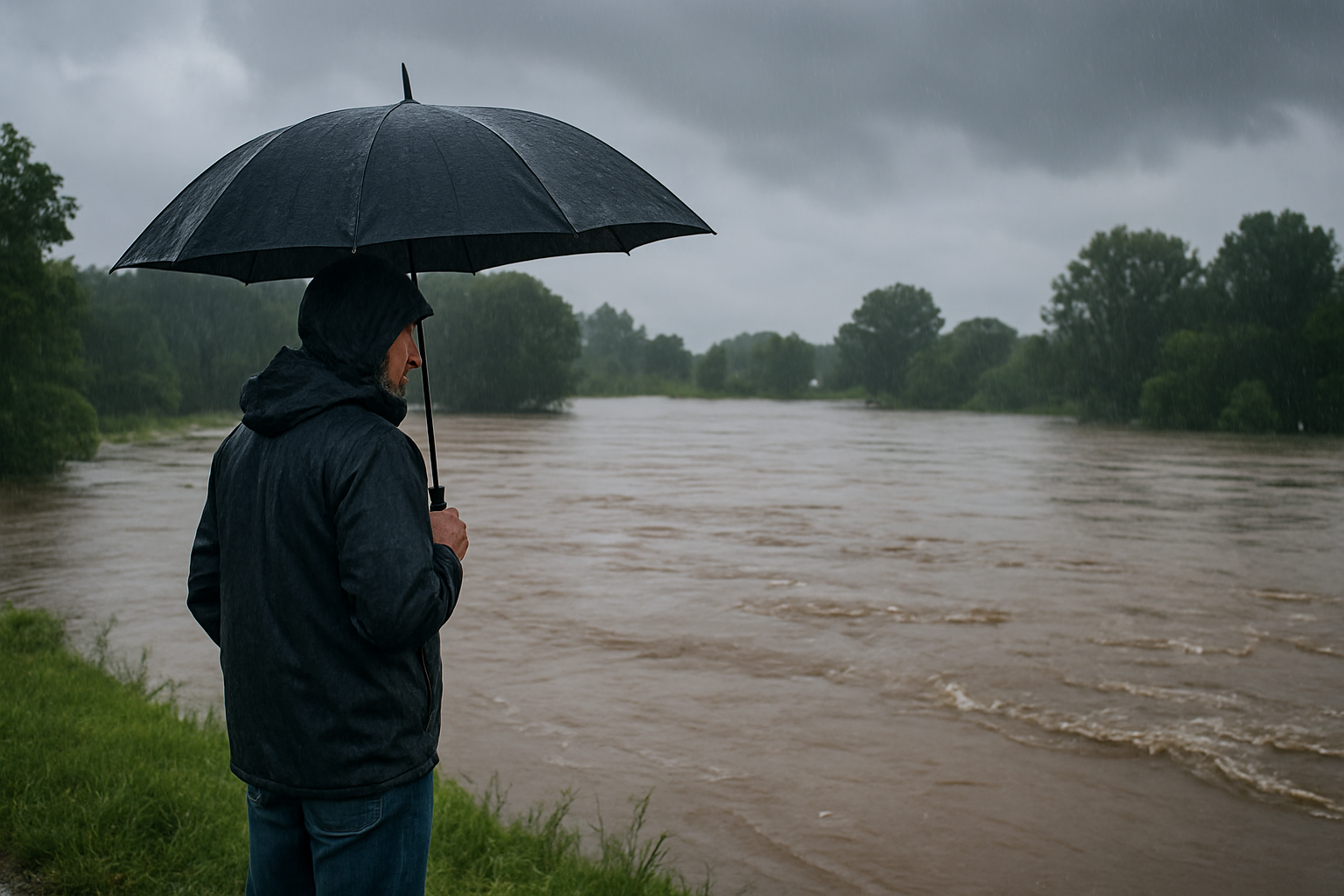
Heavy thunderstorms have led to significant rainfall, with 1 to 3 inches having already fallen across the affected regions. This deluge has resulted in ongoing or imminent flash flooding. Areas likely to experience flooding include small creeks, streams, urban roadways, highways, streets, and underpasses.
Who Is Affected
The areas under the flash flood warning are:
- Southeastern Athens County, Ohio
- Northeastern Gallia County, Ohio
- Meigs County, Ohio
- Western Washington County, Ohio
- North-central Mason County, West Virginia
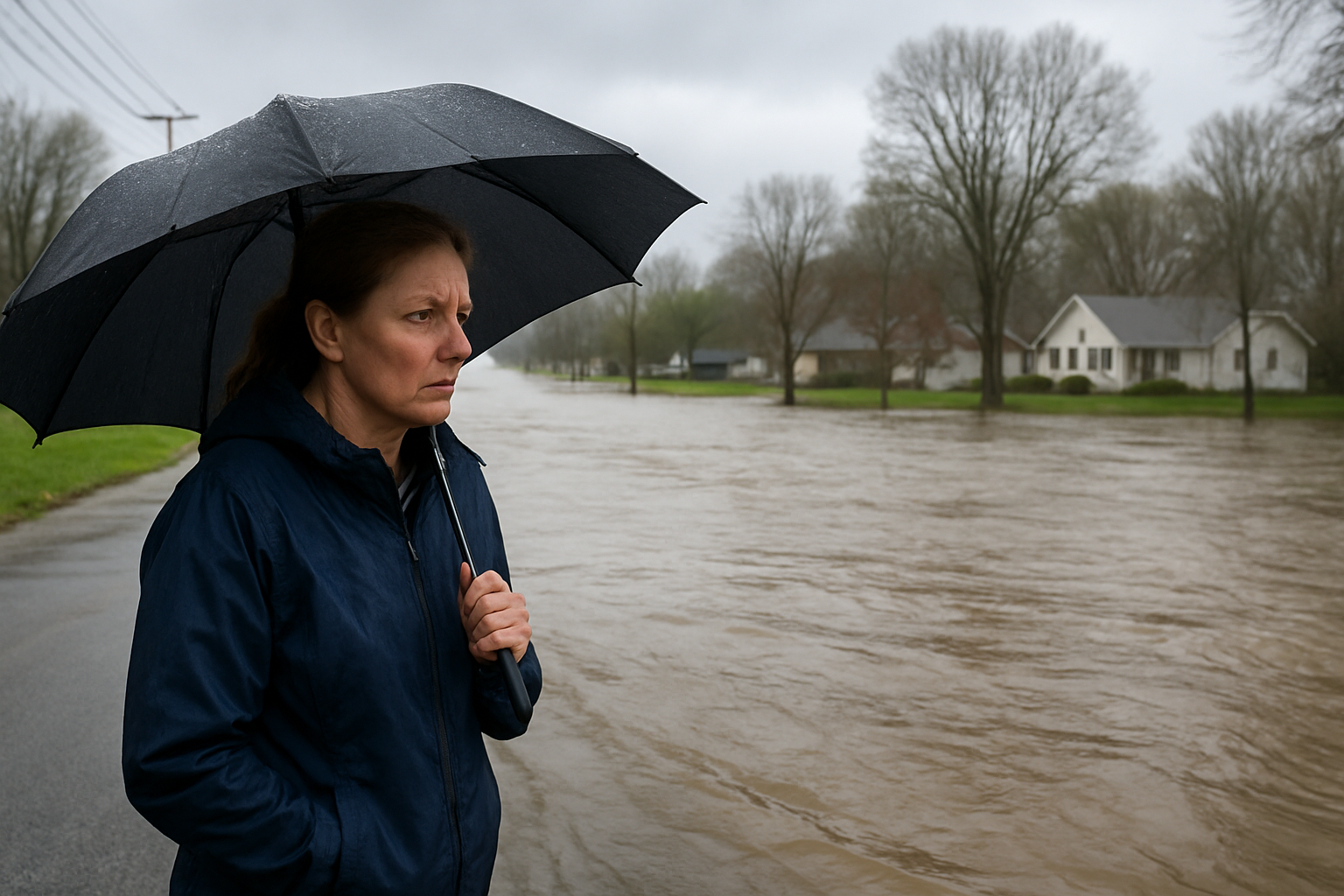
Residents in these regions should remain vigilant and aware of their surroundings as conditions may rapidly change.
What You Should Do
It is crucial to take immediate precautions to ensure safety:
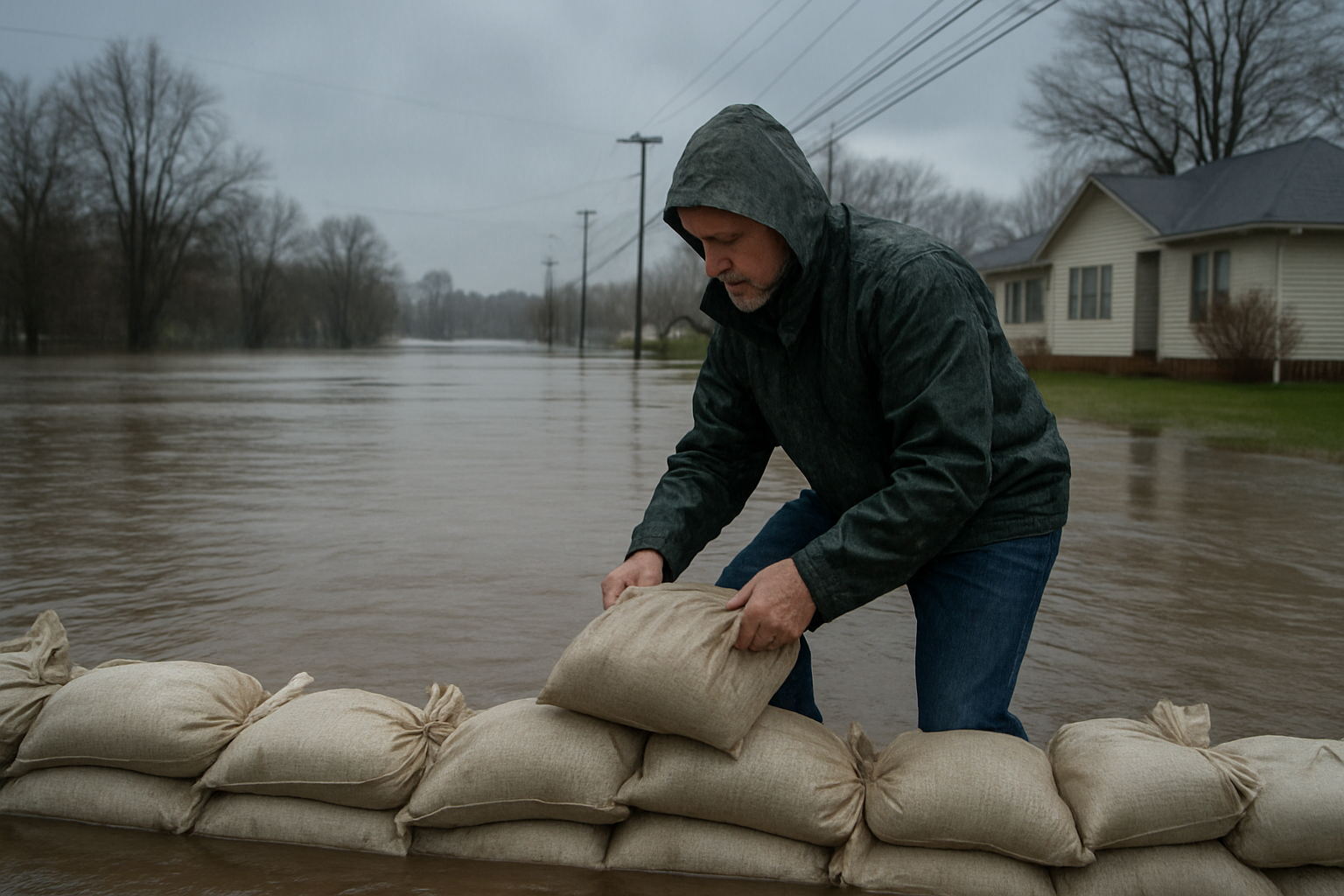
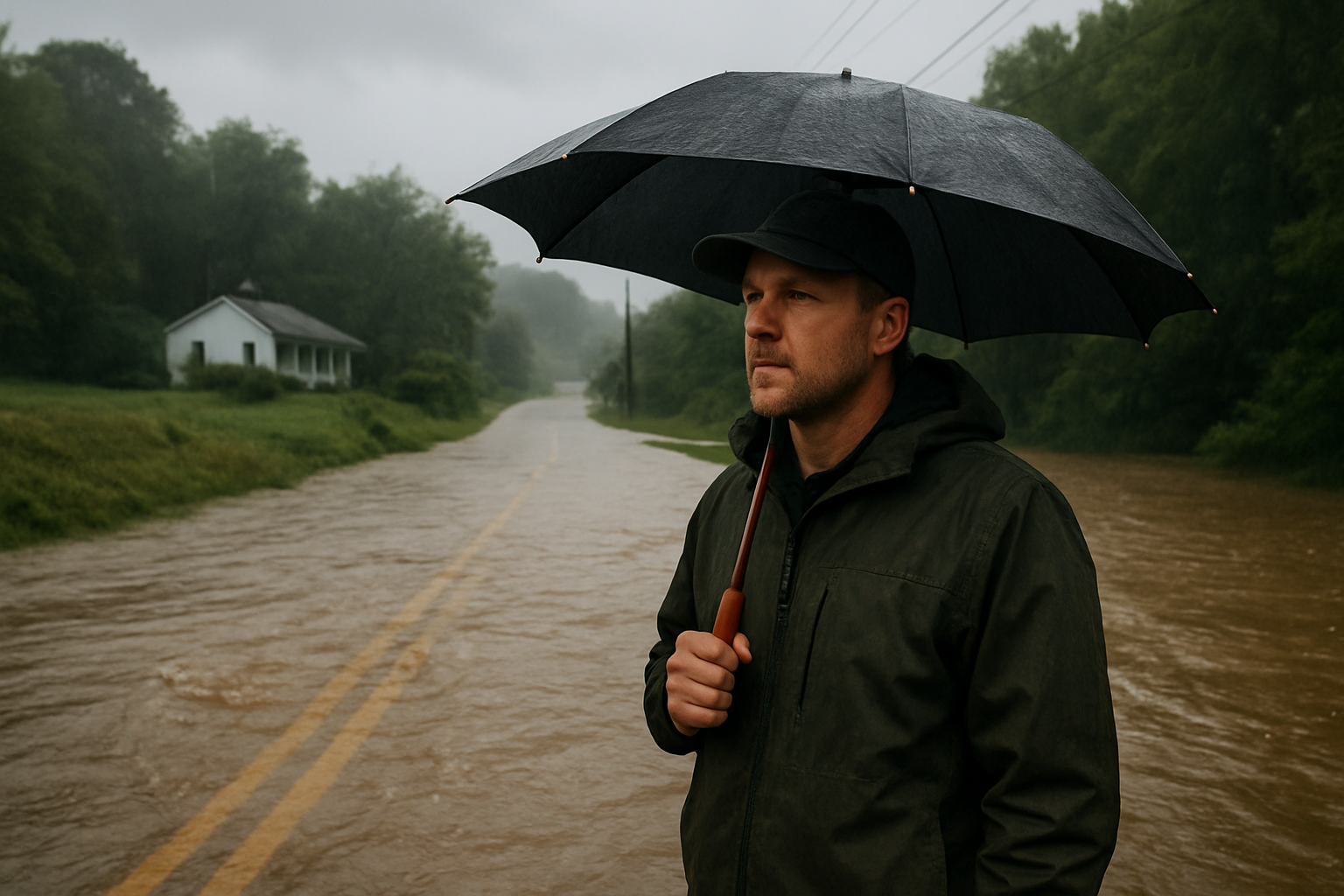
- Avoid flooded roads: Drivers should not attempt to travel on water-covered streets as it can be deceptively dangerous, and vehicles may quickly become stranded or swept away. Always seek alternate routes or wait for the water to recede.
- Monitor updates: Stay informed by listening to local weather updates and accessing trusted online sources for the latest information. Consider downloading a reliable weather app for real-time alerts.
- Prepare to move to higher ground: If you are in a low-lying area or near a body of water, be prepared to relocate to higher ground if necessary. Know the nearest safe location and how to get there quickly.
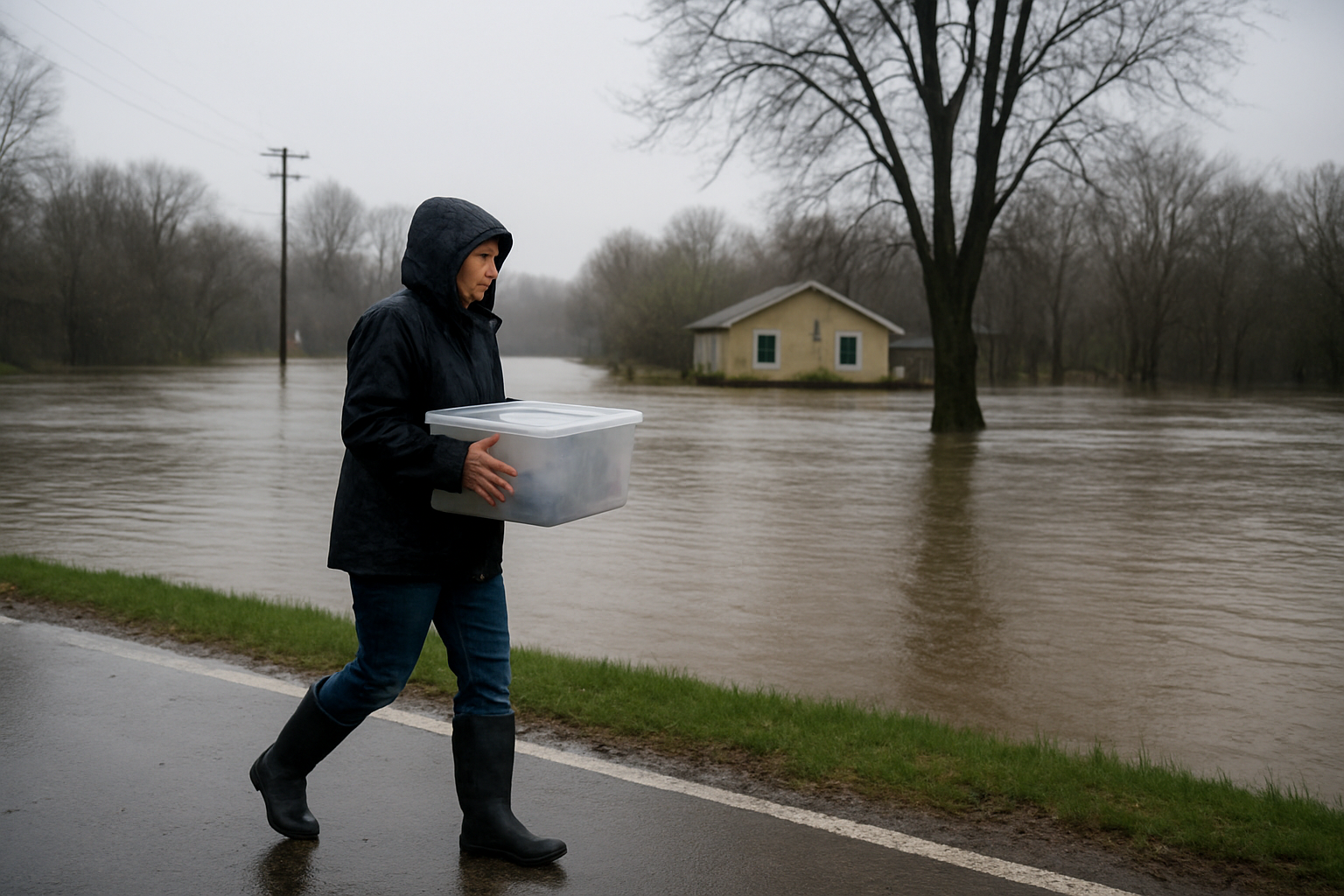
- Create an emergency kit: Ensure you have essential supplies on hand such as water, flashlights, batteries, and necessary medications. Keep important documents in a waterproof container.
- Communication plan: Establish a family communication plan to check in with each other if separated. Make sure everyone knows emergency contact details.
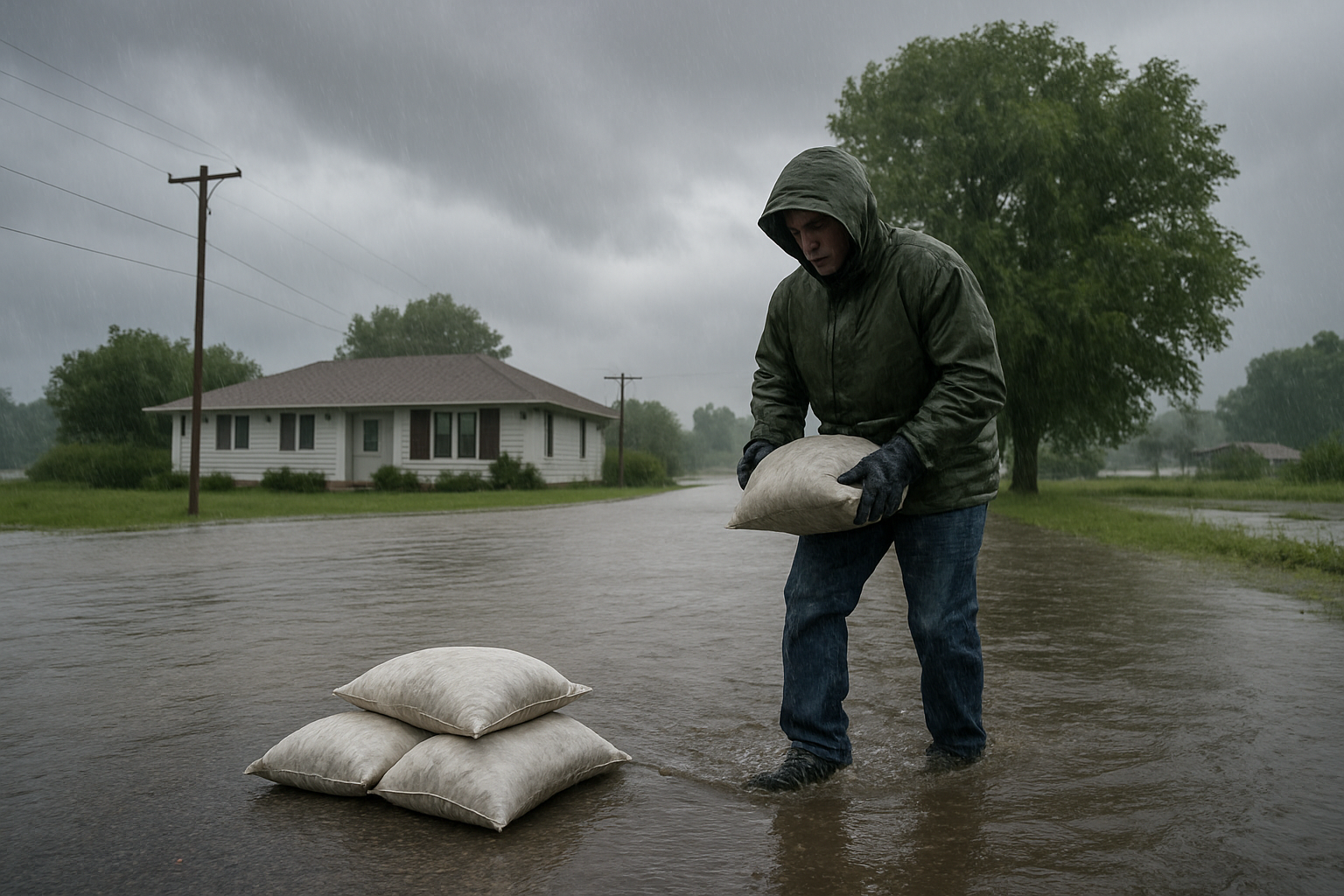
- Secure outdoor items: Bring in or tie down outdoor possessions and move vehicles to higher ground to prevent them from being damaged.
- Power-outage readiness: Charge all essential electronics and have backup power sources available. Consider investing in portable chargers for additional power supply.
Additional Preparedness Tips
In addition to the immediate actions, consider the following steps to enhance your overall preparedness:
- Pet preparedness: Ensure your pets are part of your emergency plan. Have a pet emergency kit ready that includes food, water, and any necessary medications.
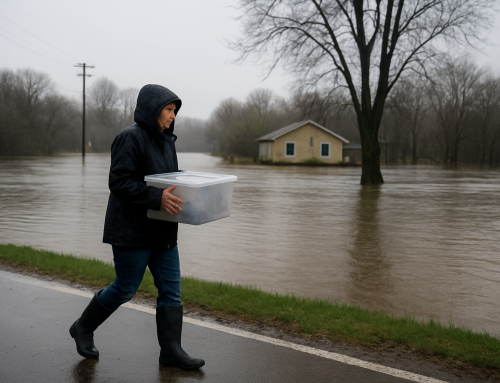
- Protecting important documents: Gather important papers such as identification, insurance policies, and financial records. Keep them in a portable, waterproof container.
- Vehicle preparation: Keep your vehicle’s gas tank full and ensure it is in good working condition. Familiarize yourself with evacuation routes and listen to local authorities for instructions.
- Check on neighbors: Reach out to elderly or vulnerable neighbors to ensure they have the support they need. Community cooperation is vital in emergency situations.
- Generator safety: If using a generator, follow safety instructions to prevent carbon monoxide poisoning. Never use generators indoors or in enclosed spaces.
Post-Event Safety
Once the immediate threat has subsided, exercise caution before venturing outdoors. Avoid areas with downed power lines and report them to the authorities. Check on neighbors, particularly the elderly or those with special needs, to ensure they are safe. Additionally, avoid walking through floodwaters, as they can be hazardous and may contain debris or contaminants.
Be Prepared
It’s essential to be prepared for unexpected flash floods. Check out our Hurricane Prep Checklist for guidance on how to stay safe and ready. Hurricane Prep Checklist
Final Thoughts
Flash floods can develop rapidly with little warning. By staying informed and prepared, you can significantly reduce potential risks. Remember, safety always comes first, and when in doubt, avoid areas prone to flooding. For ongoing updates and more information, refer to the National Weather Service’s official alerts and guidance.