
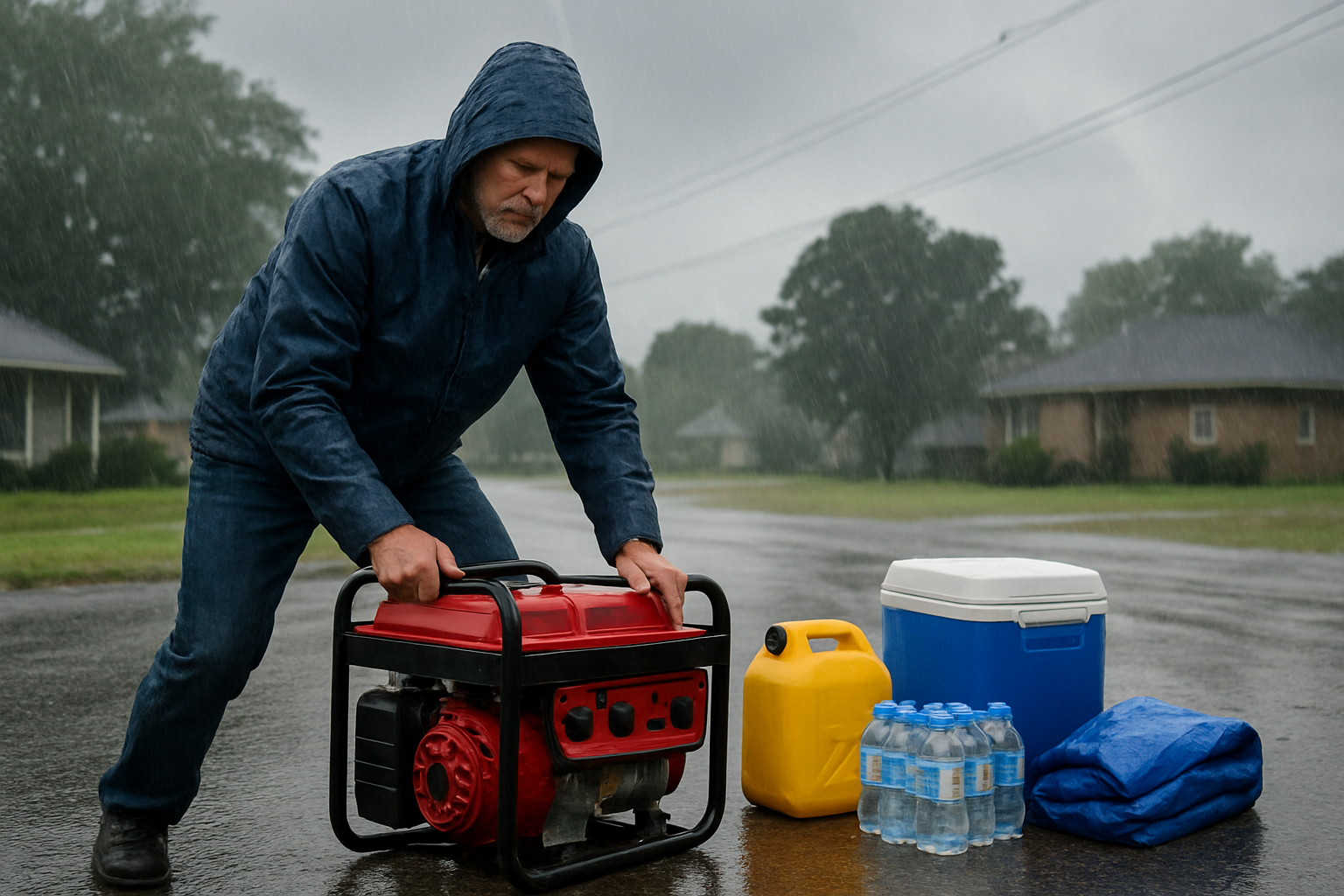
Hurricane Season Power Outage Preparedness: Stay Safe and Powered
Preparing for power outages during hurricane season is crucial. These disruptions can last several days, making it essential to have a plan and the right supplies. This guide will help you navigate power outages effectively and safely.
Importance of Proactive Power Outage Planning During Hurricane Season
Taking proactive steps before a hurricane strikes can mitigate the impact of power outages. This involves understanding the risks, creating a plan, and gathering supplies. By preparing in advance, you ensure your family’s safety and comfort during extended periods without electricity.
Essential Supplies Checklist for Power Outages
- Flashlights and Batteries: Keep multiple flashlights and a supply of fresh batteries on hand.
- Portable Phone Chargers: Invest in portable chargers or power banks to keep your devices running.
- Non-Perishable Food: Stock up on canned goods, snacks, and other non-perishable items.
- Water Storage: Have an adequate supply of water for drinking and sanitation purposes.
- First Aid Kit: Make sure you have a fully stocked first aid kit ready.
- Manual Can Opener: Since electric openers won’t work, a manual one is essential.
How to Safely Use Generators and Alternative Power Sources
If you plan to use a generator, it is imperative to prioritize safety:
- Read Instructions: Familiarize yourself with the manufacturer’s instructions and safety guidelines.
- Outdoor Use: Operate generators outdoors, away from windows, to prevent carbon monoxide poisoning.
- Fuel Storage: Store fuel in approved containers and follow proper storage guidelines.
- Power Management: Do not overload the generator and ensure it’s appropriately sized for your needs.
Keeping Communication Devices Charged and Operational
Maintaining communication is vital. Here are some tips:
- Power Banks: Charge power banks fully before the storm hits.
- Car Chargers: Use your vehicle charger as a backup power source.
- Battery-Powered Radio: Stay informed about emergency updates through a battery-powered or hand-crank radio.
Maintaining Food Safety During Extended Outages
Ensure food safety to prevent illness:
- Freezer Tips: Keep the freezer closed; a full freezer keeps food safe for about 48 hours.
- Thermometers: Use appliance thermometers to monitor temperatures, ensuring they stay below 40°F.
- Perishable Items: Consume or cold-store (using coolers with ice) perishable food quickly.
Lighting Solutions for Dark Periods Without Electricity
Effective lighting is crucial during outages:
- LED Lanterns: These are energy-efficient and provide excellent lighting.
- Solar Lights: Charge during the day to use at night.
- Candles: If using candles, exercise caution to avoid fire hazards.
Securing Medical and Health Essentials During Power Disruptions
Medical needs require special attention:
- Medications: Keep a supply of necessary medications and store them as required.
- Medical Equipment: Arrange backup power solutions for essential medical devices.
- Health Records: Maintain physical copies of important health records and documents.
Tips for Maintaining Comfort and Morale in the Dark
Addressing comfort and morale can ease stress during outages:
- Entertainment: Keep books, games, and other non-electronic entertainment available.
- Hydration: Stay hydrated and well-nourished to maintain energy levels.
- Community Check-ins: Stay connected with neighbors and assist each other.
Developing a Family Communication Plan
Having a communication plan is essential when normal channels may be disrupted. Ensure all family members know important phone numbers and have set a common meeting point in case of separation. Use text messaging to conserve phone battery life, and establish a check-in system to confirm everyone’s safety.
Protecting Important Documents
Safeguard critical documents by storing them in waterproof containers. Consider digitizing essential records and storing them on a secure cloud service as an additional precaution. Documents such as identification, insurance policies, and medical records need special attention to ensure their availability post-storm.
Evacuation and Shelter Considerations
Understand your evacuation zone and have a plan in place. Keep an emergency bag ready with essentials like medications, clothing, necessities for children, and important documents. Identify local shelters or safe locations where you can evacuate if necessary. Familiarize yourself with the shelter’s rules, especially regarding pets.
Vehicle Preparation and Safety
Ensure your vehicle is in good condition, fully fueled, and stocked with emergency supplies such as blankets, flashlights, and a first-aid kit. Keeping a physical map is useful in case GPS systems fail. Secure any external items such as bike racks or roof boxes to prevent them from becoming projectile hazards during strong winds.
Be Prepared
Prepare for severe weather by reviewing the Hurricane Prep Checklist to ensure you have all necessary supplies and resources ready when a storm approaches. Hurricane Prep Checklist
Final Thoughts
Preparing for power outages during hurricane season is essential for safety and well-being. By creating a comprehensive plan and gathering necessary supplies, you can better manage the challenges of losing power. Stay informed, practice safety, and support each other to ensure a resilient community.